
Warranty administrator jobs are an important part of the automotive and dealership industry. These professionals manage warranty claims, review repair documentation, communicate with manufacturers, track payments, and help dealerships receive proper reimbursement for covered repairs. The role combines automotive knowledge, administration, accounting, computer skills, and attention to detail. Current job descriptions commonly emphasize accurate claim processing, documentation, warranty policy compliance, payment reconciliation, and familiarity with dealership management systems. For people who enjoy organized office work but also have an interest in automobiles, warranty administration can be an attractive career path. What Does a Warranty Administrator Do? A warranty administrator handles the administrative side of vehicle warranty repairs. When a technician completes a repair that may qualify for manufacturer or extended warranty coverage, the administrator reviews the repair information and prepares the claim. Typical responsibilities include: The goal is simple: make sure valid warranty repairs are documented correctly and submitted according to the required procedures. Why Warranty Administrator Jobs Are Important A dealership can complete excellent repair work but still lose money if warranty claims are submitted incorrectly. Missing information, incorrect codes, incomplete technician notes, or failure to follow manufacturer procedures can cause delays or rejected claims. Warranty administrators help prevent these problems by checking claims before and after submission. They often work closely with: This makes the position an important connection between the service department and the financial side of the dealership. Key Skills Needed for Warranty Administrator Jobs Successful warranty administrators need more than basic computer knowledge. The position requires accuracy, organization, communication, and an understanding of automotive service processes. Attention to Detail Small errors can affect whether a claim is approved. Administrators need to carefully review repair orders, labor information, parts, dates, and supporting documentation. Automotive Knowledge You do not necessarily need to be a technician, but understanding common vehicle systems and repair terminology can make the job much easier. Computer Skills Many positions require familiarity with dealership management systems and standard office software. Some current job postings specifically mention systems such as CDK and other DMS platforms. Communication Warranty administrators communicate with technicians, service advisors, managers, manufacturers, and accounting personnel. Clear communication helps resolve missing information and rejected claims. Organization A busy dealership may have many open claims at the same time. Strong organization helps administrators track deadlines, payments, rejected claims, and documentation. Warranty Administrator Job Requirements Requirements vary by employer. Some dealerships prefer previous warranty or dealership experience, while others may consider candidates with related administrative, service, accounting, or automotive backgrounds. Requirement Why It Matters Automotive knowledge Helps understand repairs and technician documentation Computer skills Needed for claim and dealership systems Attention to detail Reduces errors and rejected claims Communication Helps resolve claim issues Organization Keeps claims and records on schedule Accounting awareness Helps track warranty payments and receivables Some experienced positions request previous warranty administration experience, while others emphasize dealership experience, DMS knowledge, and strong computer skills. Daily Responsibilities of a Warranty Administrator A typical day can involve several different tasks. Reviewing Repair Orders The administrator reviews completed repair orders to determine whether the documentation supports a warranty claim. Submitting Claims Once the information is complete, the claim is submitted through the appropriate manufacturer or warranty system. Managing Rejected Claims Not every claim is accepted immediately. When a claim is rejected, the administrator investigates the reason, corrects the documentation when appropriate, and resubmits it. Tracking Warranty Payments Administrators may also monitor warranty receivables and work with accounting teams to ensure approved claims are paid correctly. Maintaining Records Warranty records need to be organized and available for future reference or audits. Some positions also involve tracking manufacturer policy updates, recalls, and procedural changes. Where Can You Find Warranty Administrator Jobs? Most opportunities are connected to the automotive service industry. Common workplaces include: Some experienced warranty administrators can also find remote opportunities, particularly with companies that provide warranty administration services to dealerships. How to Start a Career in Warranty Administration You do not always need a four-year degree to enter this field. Employers often place significant value on practical automotive, dealership, administrative, and computer experience. A useful career path can look like: Entry-Level Administration → Service Department Experience → Warranty Administrator → Senior Warranty Administrator → Warranty Manager Experience as a service advisor, service coordinator, dealership administrator, accounting clerk, or automotive professional can provide useful transferable skills. Learning dealership management software and understanding manufacturer warranty procedures can also make a candidate more competitive. Tips for Finding the Best Warranty Administrator Jobs If you are actively searching for these positions, focus your resume on skills that directly match the job description. Highlight: Also look for related titles such as Warranty Clerk, Warranty Specialist, Automotive Warranty Administrator, Service Warranty Administrator, and Warranty Coordinator. Is Warranty Administration a Good Career? Warranty administration can be a good option for someone who wants an automotive career without spending every day performing mechanical repairs. The job may be especially suitable if you enjoy: It can also provide a pathway into other dealership positions, including service management, accounting, claims management, or aftersales operations. Final Thoughts Warranty administrator jobs combine automotive knowledge with administration, technology, communication, and financial responsibility. The work may happen behind the scenes, but it plays an important role in helping dealerships receive payment for qualifying warranty repairs. For job seekers, building automotive knowledge, learning dealership software, improving documentation skills, and gaining dealership experience can create a strong foundation for this career. With experience, warranty administrators can progress toward senior administrative and management positions within the automotive industry. FAQs About Warranty Administrator Jobs What is a warranty administrator? A warranty administrator processes and manages warranty claims for a dealership or service business. The job typically involves reviewing repair documentation, submitting claims, tracking payments, and resolving rejected claims. Do warranty administrators need automotive experience? Automotive experience is highly useful, although requirements vary. Some employers prefer previous dealership or warranty experience, while others may consider candidates with related administrative or service experience. What skills are important for a warranty administrator? Attention to detail,
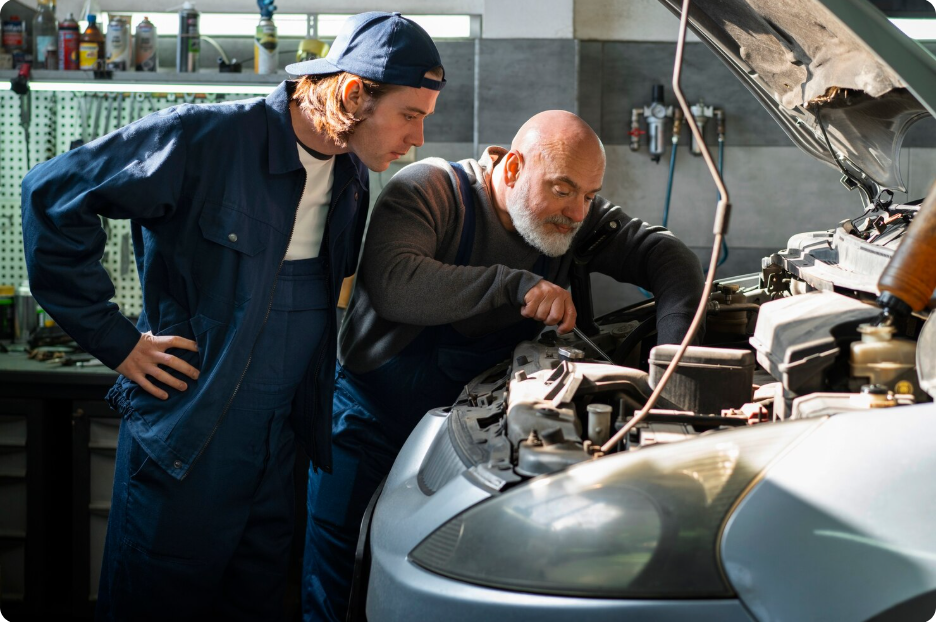
Technician vs Mechanic: Key Differences, Skills, Responsibilities, Career Paths, and Which Automotive Job Is Right for You
When people talk about automotive repair, the words “technician” and “mechanic” are often used as if they mean exactly the same thing. In many repair shops, the roles overlap significantly. However, modern vehicles have become increasingly dependent on electronics, sensors, computer systems, and diagnostic software, which has expanded the responsibilities of automotive technicians. Understanding the difference can be helpful whether you are looking for someone to repair your vehicle or considering a career in the automotive industry. What Is an Automotive Mechanic? An automotive mechanic traditionally focuses on inspecting, maintaining, repairing, and replacing mechanical components of vehicles. Mechanics commonly work on systems such as: Their work often involves hands-on troubleshooting and the use of traditional hand and power tools. Mechanics may also perform routine services such as oil changes, brake work, inspections, and component replacement. A mechanic’s role remains extremely important because even the most technologically advanced vehicle still depends on physical mechanical components. What Is an Automotive Technician? An automotive technician performs many of the same repair and maintenance tasks but often has a stronger focus on diagnostics, electronics, computerized vehicle systems, and specialized testing equipment. Modern technicians may use: Technicians analyze diagnostic information to determine the underlying cause of a vehicle problem rather than simply replacing a component based on a symptom or diagnostic code. Technician vs Mechanic: Main Differences Although the distinction is not absolute, there are some general differences between the two titles. Category Mechanic Automotive Technician Main focus Mechanical repair and maintenance Diagnostics plus mechanical and electronic repair Common tools Hand and power tools Hand tools plus diagnostic equipment Electronics Basic to advanced depending on experience Often a major part of the role Computer diagnostics May use them Frequently uses them Mechanical repairs Yes Yes Electrical systems May specialize in them Often trained extensively in them Modern vehicle technology Varies Strong emphasis Job title Traditional and widely used Increasingly common professional title It’s important to remember that this is a general distinction rather than a strict industry rule. Many professionals perform both mechanical and diagnostic work, and the terms are frequently used interchangeably. What Does a Mechanic Do? A mechanic’s daily responsibilities can vary depending on the shop, vehicle type, and area of specialization. Typical responsibilities include: Some mechanics specialize in particular areas, such as engines, transmissions, brakes, tires, diesel systems, or specific vehicle types. The Indian Directorate General of Training, for example, describes automobile mechanics as professionals who inspect, dismantle, repair, overhaul, assemble, adjust, and test vehicle components and systems. What Does an Automotive Technician Do? Technicians can perform many of the same mechanical tasks while also handling more technology-focused diagnostic responsibilities. Their work may include: Today’s vehicles rely heavily on electronics and computer-controlled systems, so diagnostic knowledge has become an increasingly important part of automotive service. Why Are Technicians Becoming More Important? Vehicles have changed dramatically over the past several decades. A modern vehicle can contain numerous electronic control modules, sensors, driver-assistance systems, computerized engine controls, and sophisticated infotainment and safety technology. That means a problem that appears mechanical may actually have an electrical or software-related cause. For example, if a vehicle has a warning light, a technician may connect diagnostic equipment, review stored codes and live information, test related circuits, and investigate the underlying problem before deciding what repair is necessary. This is one reason modern automotive training increasingly combines mechanical knowledge with electronics and diagnostic technology. Similarities Between a Mechanic and Technician Despite the differences, these careers have far more in common than many people realize. Both may: Indeed notes that technicians and mechanics often work side by side and may perform many of the same maintenance and repair tasks. The exact division of responsibilities depends heavily on the shop and the individual’s training. Skills Needed for Each Career Whether someone chooses the mechanic or technician career path, strong technical skills are essential. Important Mechanic Skills A mechanic should develop: Important Technician Skills Technicians benefit from all of the above, along with: As automotive technology changes, technicians and mechanics both need to keep developing their skills. Technician vs Mechanic: Which Career Is Better? There isn’t one answer for everyone. If you enjoy traditional hands-on mechanical work, repairing physical components, and working directly with engines and vehicle systems, a mechanic career may be a strong fit. If you enjoy technology, electrical systems, computer diagnostics, and solving complex vehicle problems, automotive technician work may be particularly appealing. However, the two career paths increasingly overlap. A skilled modern automotive professional may need to be comfortable with both a wrench and a diagnostic computer. Education and Training Both mechanics and technicians generally need technical training and practical experience. Training can come through: The specific requirements vary by employer, location, specialty, and career level. Some advanced technician positions may require additional manufacturer-specific training or professional certifications. The automotive field also requires continuous learning because vehicle technology keeps changing. Which One Should You Choose for Your Car? For vehicle owners, the job title should not be the only factor when selecting a repair professional. Instead, consider the problem your vehicle has. For Basic Maintenance A qualified mechanic or automotive technician can generally handle services such as: For Complex Electrical Problems A technician with strong diagnostic and electrical experience may be a better choice. Examples include: For Major Mechanical Repairs Look for a professional with demonstrated experience in the specific system involved, whether they use the title mechanic or technician. Mechanic or Technician: What Matters Most? The title alone does not determine someone’s skill level. An experienced mechanic may have excellent diagnostic abilities, while a technician may perform extensive hands-on mechanical repairs. In many workplaces, one person may effectively perform both roles. Training, experience, specialization, diagnostic ability, equipment, and quality of workmanship are usually more meaningful factors than the job title itself. Industry sources also acknowledge that the terms are often interchangeable. Common Misconceptions “Technicians Only Use Computers” Not true. Automotive technicians still perform substantial hands-on mechanical work. “Mechanics Don’t Work With Technology” Also incorrect. Modern mechanics
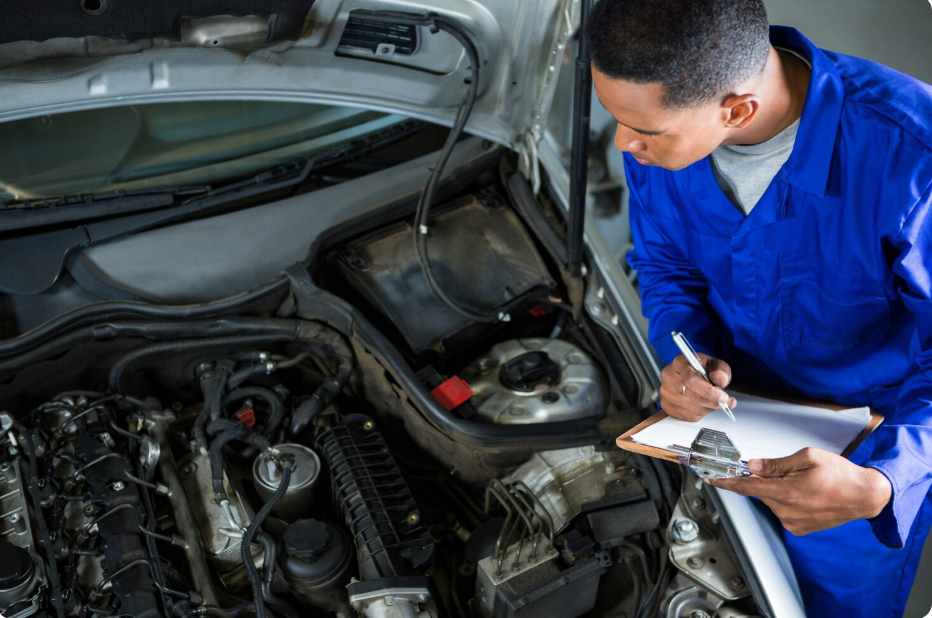
Mechanic Description Duties: Responsibilities, Skills, and Daily Work
A mechanic is responsible for inspecting, maintaining, diagnosing, and repairing vehicles to keep them safe and reliable. Modern mechanics work with both traditional mechanical components and increasingly complex electrical and computer-controlled vehicle systems. Typical responsibilities include identifying problems, performing maintenance, replacing faulty parts, testing repairs, and maintaining service records. A clear mechanic description duties section is useful for employers creating job postings and for candidates preparing resumes. Understanding the main responsibilities can also help people decide whether a mechanic career matches their skills and interests. Main Mechanic Duties and Responsibilities Mechanics perform a wide range of practical and technical tasks. Their responsibilities can differ depending on whether they work at a dealership, independent repair shop, fleet facility, or specialized workshop. Common duties include: These responsibilities are commonly included in automotive mechanic job descriptions. Vehicle Inspection and Diagnosis One of the most important mechanic duties is finding the cause of a vehicle problem. A mechanic may begin by discussing the customer’s concerns and performing a visual or physical inspection. Diagnostic equipment can then be used to identify faults in electronic and computerized systems. Mechanics may also test individual components to determine whether they are functioning correctly. Accurate diagnosis is important because replacing the wrong component can increase repair costs and waste time. Routine Maintenance Duties Preventive maintenance helps vehicles remain reliable and can identify problems before they become more serious. Typical maintenance tasks include: Routine servicing is a major part of many mechanic positions. Repair and Replacement Duties When a problem is identified, mechanics repair or replace faulty components. Depending on their specialization, they may work on engines, transmissions, brakes, suspension, steering, electrical systems, cooling systems, or other vehicle components. A mechanic may need to: This process helps ensure the vehicle is returned to the customer in safe working condition. Mechanic Duties and Skills Table Mechanic Duty Skills Commonly Required Vehicle inspection Observation and technical knowledge Fault diagnosis Problem-solving and diagnostic skills Routine maintenance Practical mechanical skills Parts replacement Tool handling and precision Electrical troubleshooting Electrical and computer knowledge Vehicle testing Attention to detail Customer communication Communication and customer service Service documentation Organization and accuracy Diagnostic Tools and Technology Today’s mechanics often use computerized diagnostic equipment in addition to traditional hand and power tools. Modern vehicles contain electronic control units, sensors, cameras, and other technology. Mechanics therefore need to understand how mechanical and electronic systems work together. Employers may look for candidates who are comfortable learning new diagnostic equipment and keeping their automotive knowledge current. Customer Service Duties Mechanic work is not limited to repairing vehicles. In many workplaces, mechanics also communicate with customers or service advisors. Customer-related responsibilities can include: Clear communication can help customers understand why a repair is necessary and what work has been completed. Record Keeping and Workshop Duties Accurate documentation is another important responsibility. Mechanics may record the work performed, parts used, vehicle condition, labor time, and maintenance recommendations. They may also be responsible for maintaining their work area and ensuring that tools and equipment are clean, organized, and functional. Good organization can help a workshop operate efficiently and reduce mistakes. Safety Responsibilities Vehicle repair involves tools, machinery, chemicals, electrical systems, lifting equipment, and moving vehicles. Mechanics must therefore follow appropriate workplace safety procedures. Important safety practices include: Mechanics working on hybrid or electric vehicles may require additional training for high-voltage systems. Qualifications for a Mechanic Requirements vary depending on the employer and type of mechanic position. Entry-level candidates may enter the field through vocational education, technical training, apprenticeships, or hands-on experience. Useful qualifications and knowledge may include: Continued learning is increasingly valuable because automotive technology changes over time. Important Qualities of a Good Mechanic Technical knowledge alone does not guarantee success. A strong mechanic should also have good practical and personal qualities. Key Qualities These qualities can help mechanics diagnose problems accurately and complete repairs efficiently. Mechanic Career Opportunities Mechanics can specialize in different areas depending on their interests and training. Common career paths include automotive mechanic, diesel mechanic, motorcycle mechanic, fleet mechanic, heavy-equipment mechanic, and specialized service technician. With additional experience, a mechanic may progress into positions such as senior technician, diagnostic specialist, workshop supervisor, service advisor, or service manager. Final Thoughts Understanding mechanic description duties is important for both employers and job seekers. A mechanic’s work involves much more than simply repairing engines. Modern mechanics inspect vehicles, diagnose mechanical and electrical faults, perform preventive maintenance, replace components, use diagnostic technology, communicate repair requirements, document completed work, and follow safety procedures. For anyone considering a career in automotive service, developing both technical expertise and strong problem-solving and communication skills can create a solid foundation for long-term professional growth. Frequently Asked Questions 1. What are the main duties of a mechanic? The main duties include inspecting vehicles, diagnosing problems, performing maintenance, repairing or replacing components, testing vehicles, documenting repairs, and following safety procedures. 2. What skills does a mechanic need? A mechanic typically needs mechanical knowledge, diagnostic skills, problem-solving ability, attention to detail, tool-handling skills, communication, and a willingness to learn new automotive technology. 3. Do mechanics perform routine maintenance? Yes. Routine maintenance can include oil and filter changes, fluid checks, tire services, brake inspections, battery checks, and other scheduled maintenance. 4. Do mechanics use computer diagnostic equipment? Yes. Modern vehicles contain electronic and computer-controlled systems, so mechanics commonly use diagnostic equipment to identify certain mechanical and electrical problems. 5. Can a mechanic advance to a higher position? Yes. With experience and additional training, mechanics can move into senior technician, diagnostic specialist, workshop supervisor, service advisor, or service management positions. Read more: Automotive Market Research: Trends, Methods, and Industry Insights

Car dealership jobs
Car Dealership Jobs: Explore Career Opportunities, Essential Skills, Salary Potential, and Growth in the Automotive Industry The automotive industry offers a wide range of career opportunities for people who enjoy working with vehicles, customers, technology, sales, business operations, or mechanical systems. Among these opportunities, car dealership jobs are especially attractive because dealerships require professionals across many different departments. A modern car dealership is much more than a showroom. It may include sales teams, customer relationship departments, finance professionals, service advisors, automotive technicians, parts specialists, detailers, administrators, marketing professionals, and managers. This variety allows people with different educational backgrounds and skill sets to find suitable career paths. In India, dealership careers are also evolving as electric vehicles, digital sales channels, customer relationship management systems, and advanced vehicle technologies become increasingly important. The Automotive Skills Development Council identifies emerging dealership roles such as e-outlet sales consultants, digital marketing sales consultants, data analysts, and digital content writers. Whether you are a fresher looking for your first job or an experienced professional seeking career growth, understanding the different dealership positions can help you choose the right opportunity. What Are Car Dealership Jobs? Car dealership jobs are positions within businesses that sell, service, finance, maintain, or support automobiles. Dealership employees may work directly with customers or behind the scenes to keep daily operations running smoothly. Common dealership departments include: Because dealerships have multiple departments, employees can develop careers without necessarily staying in the same type of position throughout their working lives. Popular Car Dealership Job Roles One of the biggest advantages of dealership employment is the variety of available positions. Car Sales Executive Sales executives are among the most visible dealership employees. They interact with potential buyers, understand customer requirements, explain vehicle features, arrange test drives, answer questions, and assist with the purchase process. Communication, confidence, product knowledge, and customer service are important skills for this role. Customer Relationship Manager Customer relationship professionals focus on maintaining communication with customers before and after a purchase. Their work can include following up on enquiries, handling feedback, managing customer concerns, and supporting customer satisfaction. Service Advisor Service advisors work with vehicle owners who bring their cars to the dealership for maintenance or repairs. They listen to customer concerns, explain recommended services, coordinate with technicians, and communicate updates. Automotive Technician Technicians perform inspections, diagnostics, maintenance, and repairs. Depending on the dealership, technicians may work with conventional engines, electrical systems, electronic diagnostics, hybrid technology, or electric vehicles. Parts Specialist Parts specialists help identify, order, organize, and distribute vehicle components and accessories. Strong organization and product knowledge are valuable in this position. Finance Professional Finance and insurance professionals help customers understand available financing and related products. The position requires attention to detail, communication skills, and knowledge of financial processes. Receptionist or Showroom Host Receptionists and showroom hosts greet visitors, answer calls, schedule appointments, and direct customers to the appropriate department. These positions can be suitable entry points into the automotive industry. Car Dealership Jobs at a Glance Job Role Main Responsibility Important Skills Sales Executive Vehicle sales and customer assistance Communication, sales Customer Relationship Manager Customer follow-up and satisfaction Organization, communication Service Advisor Service coordination Automotive knowledge, customer service Technician Vehicle inspection and repair Technical skills Parts Specialist Parts and inventory Organization, product knowledge Finance Professional Finance support Accuracy, financial knowledge Receptionist Front-office support Communication, organization Sales Manager Sales team leadership Leadership, sales management These roles can have different education and experience requirements. For example, the Automotive Skills Development Council lists sales consultant, sales team leader, customer relationship manager, and sales manager as distinct career levels with progressively greater experience requirements. Skills Needed for Car Dealership Jobs The right skills depend on the position, but several abilities are valuable across dealership careers. Communication Skills Employees regularly interact with customers, colleagues, suppliers, and managers. Being able to communicate clearly and professionally is important. Customer Service A dealership’s reputation can be strongly influenced by customer experience. Employees should listen carefully, understand customer concerns, and provide helpful information. Sales Skills Sales positions require the ability to understand customer needs, explain product benefits, handle objections, and build trust. Automotive Knowledge Basic knowledge of vehicle models, features, maintenance, safety systems, and automotive terminology can be useful, particularly in customer-facing roles. Digital Skills Modern dealerships increasingly rely on CRM software, online enquiries, digital marketing, inventory systems, and other technology. Digital proficiency is becoming increasingly valuable in dealership careers. Entry-Level Car Dealership Jobs You do not always need years of automotive experience to start working at a dealership. Depending on the employer and position, entry-level opportunities can include: For example, ASDC’s current career guide lists showroom host, automotive sales tele-caller, and automotive sales consultant roles with different qualification levels and experience requirements. Entry-level positions can provide valuable experience and may allow employees to move into more specialized roles over time. Educational Requirements for Dealership Careers Educational requirements vary considerably. Sales and customer-service positions may emphasize communication skills and practical experience, while technical roles often require automotive training. Some examples include: Career Area Typical Preparation Sales 12th/graduate-level education plus sales skills Customer Service Communication and customer-handling skills Technician Automotive/technical training Service Advisor Automotive knowledge and customer service Finance Finance, accounting, or business knowledge Marketing Marketing or communication skills Management Experience plus leadership/business skills Specific requirements vary by dealership and position, so candidates should always check the individual job description. How to Get a Car Dealership Job Finding the right dealership position starts with identifying the type of work you want to do. Build a Strong Resume Your resume should highlight relevant skills, education, experience, and achievements. For sales positions, emphasize: For technical positions, emphasize: Research the Employer Before applying, learn about the dealership, its vehicle brands, services, departments, and customer base. This can help you prepare for interviews and demonstrate genuine interest. Prepare for Interviews Common questions may cover: Prepare specific examples from your previous experience whenever possible. Career Growth in Car Dealership Jobs Dealership careers can provide opportunities for progression when employees develop experience and additional skills.
Automotive case
Automotive Case: A Complete Guide to Vehicle Solutions, Protection, Technology, Maintenance, and Modern Automotive Trends The automotive industry is constantly evolving as manufacturers, drivers, technicians, and businesses look for better ways to improve vehicle performance, protection, efficiency, and convenience. From advanced technology and vehicle maintenance to protective accessories and innovative automotive solutions, there are many areas where the right products and practices can make a difference. An automotive case can refer to different types of protective, organizational, technical, or storage solutions used in the automotive environment. Depending on its purpose, a case may protect valuable equipment, organize vehicle accessories, store tools, protect electronic devices, or provide a convenient solution for transporting automotive items. Understanding automotive products and solutions is particularly important as modern vehicles become more technologically advanced. Drivers and technicians increasingly rely on electronic equipment, diagnostic tools, accessories, and specialized components. Keeping these items protected and organized can improve convenience while helping reduce unnecessary damage or loss. Whether you are a vehicle owner, automotive professional, enthusiast, technician, or business owner, learning about automotive cases and related solutions can help you make smarter decisions. What Is an Automotive Case? An automotive case is generally a protective or storage container designed for use with automotive equipment, accessories, tools, components, or electronic devices. The exact design depends on its intended application. Some cases are compact and lightweight, while others are designed for professional tools or sensitive equipment. Common uses include: A suitable case should provide protection while also making its contents easy to access. Why Automotive Cases Are Useful Automotive environments can expose equipment to dust, moisture, impacts, temperature changes, and frequent movement. A properly designed case can provide an additional layer of protection. Protection One of the main purposes of a case is to reduce the risk of damage. Sensitive equipment can be particularly vulnerable to drops, scratches, moisture, and pressure. Organization A well-designed case can prevent tools and accessories from becoming scattered. Compartments, dividers, and dedicated storage spaces can make it easier to find specific items. Portability Many automotive professionals need to move tools or equipment between vehicles, workshops, garages, and job locations. A portable case makes transportation easier. Professional Appearance Organized equipment can create a more professional working environment. This can be especially useful for technicians, mobile mechanics, detailers, and automotive service businesses. Types of Automotive Cases There is no single type of case suitable for every automotive application. Different designs are created for different requirements. Tool Cases Tool cases are designed to store and transport hand tools, sockets, screwdrivers, wrenches, and other equipment. They often include compartments or removable trays to improve organization. Diagnostic Equipment Cases Modern vehicles rely heavily on electronic systems, making diagnostic equipment increasingly important. Specialized cases can protect scanners, cables, adapters, and related accessories. Electronic Equipment Cases Sensitive electronic equipment may require additional protection against impacts, dust, or moisture. Protective cases with padded interiors can help reduce the risk of damage. Storage Cases for Accessories Smaller cases can be useful for storing cables, chargers, cleaning accessories, emergency equipment, or other vehicle-related items. Case Type Common Use Important Feature Tool Case Hand tools and equipment Compartments Diagnostic Case Vehicle scanning equipment Padded protection Electronic Case Sensitive devices Shock resistance Accessory Case Small automotive items Easy organization Heavy-Duty Case Professional equipment Durable construction Choosing the Right Automotive Case Selecting a case should begin with understanding what you need to store or transport. Consider Size The case should be large enough to hold your equipment without forcing items into limited spaces. At the same time, an unnecessarily large case can be difficult to carry. Measure your equipment before purchasing a case and consider whether you may add additional tools or accessories later. Look at the Material Materials influence durability, weight, and protection. Common materials include: Each option offers different advantages depending on the intended use. Check the Interior Interior organization can be just as important as exterior protection. Look for compartments, foam inserts, adjustable dividers, trays, or pockets when appropriate. Automotive Case Features to Consider The best features depend on the equipment being stored, but several characteristics can be useful. Durability A durable exterior can help protect equipment during everyday use and transportation. Water Resistance If the case will be used in environments where moisture is possible, water resistance may be an important consideration. However, water resistance and complete waterproofing are not always the same, so specifications should be checked carefully. Padding Foam or other protective materials can help reduce movement and impact inside the case. Secure Closures Strong latches, zippers, or locking systems can help keep contents secure during transportation. Comfortable Handles A sturdy handle can make heavier cases easier to carry. Stackability For workshops and professional environments, stackable cases can help maximize storage space. Automotive Cases for Professional Technicians Professional technicians often work with expensive tools and electronic equipment. Keeping these items organized can improve efficiency. A technician may need to carry: A properly organized case can reduce time spent searching for tools and help technicians keep track of their equipment. For mobile technicians, portability becomes even more important because equipment may need to be transported between multiple locations. Automotive Cases for Vehicle Owners Car owners can also benefit from smaller storage solutions. A compact case can help organize items that are useful during everyday travel or emergencies. Possible items include: Keeping these items organized can make them easier to locate when needed. Automotive Cases and Vehicle Technology Modern vehicles contain increasingly sophisticated electronic systems. Diagnostic equipment and electronic tools have therefore become important in automotive maintenance. A protective case can help keep such equipment organized and protected from everyday hazards. Diagnostic devices can be sensitive to impacts, dust, and moisture. Using appropriate storage can help preserve their condition, especially when equipment is frequently transported. As vehicles become more connected and software-driven, protecting diagnostic and electronic equipment will continue to be important for automotive professionals. Maintenance and Care for Automotive Cases Even a durable case requires basic care to remain useful. Keep the Case
How to Evaluate Information on an Unfamiliar Website
The internet makes it easy to find guidance, news, research, and practical advice within seconds. It also makes it easy to encounter material that is incomplete, outdated, misleading, or presented without sufficient evidence. Evaluating a website does not require specialist training, but it does require a few deliberate checks. Looking beyond a polished design can help readers decide whether information deserves trust. Start with the source First, identify who is responsible for the material. A credible site usually names an organisation, publication, author, or editorial team. Clear contact information and an explanation of the site’s purpose can add useful context. Anonymous pages are not automatically inaccurate, but they give readers fewer ways to assess expertise, accountability, and possible conflicts of interest. It is also worth checking the author’s qualifications when the subject involves health, law, finance, science, or public policy. Professional experience may support an article’s authority, although credentials alone do not prove that every claim is correct. The strongest sources explain their reasoning and make it possible to distinguish expert analysis from personal opinion. Examine the evidence Reliable articles generally support important factual claims with links to primary documents, official statistics, peer-reviewed research, or clearly identified interviews. Readers should consider whether the cited evidence actually supports the statement being made. A source may be real yet irrelevant, outdated, or quoted selectively. Numbers deserve particular attention. Percentages without a sample size, dates, or comparison group can create a distorted impression. Claims about rapid growth, risk, or public opinion should be interpreted in light of how the figures were collected. When an article presents a study, checking the original publication or the institution that conducted it can reveal important details omitted in a summary. Look at language and presentation Strong editorial work usually separates verified facts from interpretation. It acknowledges uncertainty, describes limitations, and avoids presenting a complicated issue as completely settled. By contrast, excessive urgency, sweeping promises, and emotionally charged wording can indicate that persuasion is taking priority over accuracy. Design is not proof of reliability. A professional layout can appear on a page with weak sourcing, while a modest site may contain valuable specialist work. Advertising, sponsored material, and affiliate relationships should be identified clearly because they may influence how products, services, or organisations are described. Readers should also notice whether headlines accurately reflect the article or exaggerate its contents. Check dates, updates, and corroboration Information changes quickly in areas including technology, medicine, regulations, and current affairs. Look for a publication date and, when relevant, a revision date. An old article may remain useful for background, but it should not automatically be treated as a current account. Comparing a claim with several independent sources is one of the most effective checks. Independence matters: multiple pages repeating the same unsupported statement do not necessarily provide confirmation. Government records, established research institutions, professional bodies, and reputable news organisations can offer useful points of comparison, depending on the topic. A simple domain like test may also serve as a harmless placeholder when demonstrating how links appear in a page, but it should not be mistaken for evidence about a substantive issue. Use a practical reading routine A dependable routine can be brief. Identify the author and publisher, check the date, inspect the supporting evidence, consider the wording, and compare significant claims with independent sources. If the consequences of being wrong are serious, consult a qualified professional rather than relying on a single online article. Digital literacy is less about distrusting everything than about matching confidence to evidence. Careful readers can remain open to useful information while recognising uncertainty, commercial incentives, and the difference between an assertion and a documented fact.

A Complete Guide to Essential Services for Vehicle Owners
Owning a vehicle comes with the responsibility of keeping it safe, reliable, and efficient. Regular maintenance and timely repairs help prevent major problems and extend the life of your car. Whether you use your vehicle for daily commuting, family trips, or business purposes, understanding the essential services it needs can save you time, money, and stress. This guide explains some of the most important vehicle services every owner should know about and why they matter. Auto Repair Services: A Key Part of Vehicle Maintenance Regular auto repair services help identify and fix problems before they become serious and expensive. Every vehicle experiences wear and tear over time, and components such as brakes, engines, batteries, and electrical systems may require attention. Professional auto repair technicians can diagnose issues accurately and ensure that repairs are completed correctly. Routine inspections and repairs improve vehicle performance, enhance safety, and reduce the risk of unexpected breakdowns. Scheduling repairs as soon as a problem appears can prevent further damage and keep your vehicle running smoothly. Auto Suspension Repair: Keeping Your Ride Smooth and Stable Timely auto suspension repair is essential for maintaining vehicle control, comfort, and safety on the road. The suspension system includes shocks, struts, springs, and other components that help absorb bumps and keep the tires in contact with the road. When the suspension system wears out, drivers may notice excessive bouncing, uneven tire wear, poor handling, or unusual noises. Repairing suspension issues promptly improves driving comfort and helps maintain proper steering and braking performance. A well-maintained suspension system also protects other vehicle components from unnecessary stress. Oil Change Services for Engine Protection Engine oil plays a critical role in lubricating moving parts and reducing friction. Over time, oil becomes dirty and loses its effectiveness, which can lead to increased engine wear. Regular oil changes help keep the engine clean and running efficiently. Fresh oil improves performance, supports fuel economy, and reduces the risk of costly engine damage. Following the manufacturer’s recommended oil change schedule is one of the simplest ways to protect your vehicle. Brake Inspection and Repair Services The braking system is one of the most important safety features of any vehicle. Worn brake pads, damaged rotors, or low brake fluid can reduce stopping power and increase the risk of accidents. Routine brake inspections help identify issues early. If you hear squealing sounds, feel vibrations while braking, or notice reduced responsiveness, it may be time for brake service. Properly maintained brakes provide confidence and safety during every drive. Tire Maintenance and Wheel Alignment Tires affect vehicle handling, fuel efficiency, and overall safety. Regular tire maintenance includes checking tire pressure, rotating tires, inspecting tread depth, and replacing worn tires when necessary. Wheel alignment is equally important. Misaligned wheels can cause uneven tire wear and make steering more difficult. Proper tire care and alignment improve driving comfort, extend tire life, and help your vehicle perform at its best. Battery Testing and Replacement A reliable battery is essential for starting your vehicle and powering electrical systems. Extreme temperatures, age, and frequent short trips can reduce battery performance over time. Regular battery testing helps determine whether the battery is still functioning properly. Replacing a weak battery before it fails can prevent unexpected breakdowns and ensure dependable vehicle operation. Air Conditioning and Heating System Service A properly functioning climate control system makes driving more comfortable throughout the year. Air conditioning systems require periodic inspections to ensure they cool effectively, while heating systems need maintenance to provide warmth during colder months. Professional servicing can detect refrigerant leaks, damaged components, or airflow issues. Maintaining these systems improves comfort and helps prevent expensive repairs later. Transmission Maintenance and Repair The transmission transfers power from the engine to the wheels, making it a critical component of vehicle performance. Transmission problems can lead to shifting difficulties, unusual noises, or reduced acceleration. Regular transmission fluid checks and maintenance help keep the system operating efficiently. Addressing transmission concerns early can prevent major repairs and extend the life of the vehicle. Conclusion Vehicle ownership involves more than simply driving from one place to another. Regular maintenance and essential services help ensure safety, reliability, and long-term performance. From auto repair services and auto suspension repair to oil changes, brake inspections, tire care, battery maintenance, climate control servicing, and transmission repairs, each service plays an important role in keeping your vehicle in excellent condition. By staying proactive with maintenance, vehicle owners can enjoy a smoother driving experience and avoid costly problems in the future.

Benefits Of Specialized Fire Fighting Vehicles
Have you ever noticed how a small fire can turn into a life-threatening major fire if not controlled in time? These fires can spread at a very fast pace and destroy property, cause severe health issues, and cost lives. In many emergency situations, fast response and the right equipment can make a big difference in protecting lives, mitigating and controlling the fire, and even the future of the surrounding environment In such circumstances, specialized teams rely heavily on efficient vehicles and techniques to control the spread of fire. Understanding how this system works highlights the importance of efficiency and preparedness in firefighting operations. Let’s explore the benefits of using these tools and vehicles in fighting the natural calamities and disasters Support rapid emergency response The primary benefit of utilizing firefighting vehicles is that they support rapid emergency response. The fire spreads so quickly that, in a few minutes, it could engulf the area or property due to wind and topography. Controlling and containing the fire is the responsibility of the firefighter, who uses vehicles that can reach narrow paths and are equipped with all necessary water supplies. By using these vehicles, they reach the area as quickly as possible, play a key role in reducing damage and destruction caused by rapid fire spread, and ensure safe fire-control operations. Advantages of using a brush truck One of the most beneficial vehicles that is used by firefighters is a brush truck. These brush trucks are faster and can access areas often inaccessible to larger vehicles. Its compact and durable design allows it to navigate through terrain, narrow paths, and bumpy roads with ease. It improves emergency response by enabling quick access to fire-affected locations. It is equipped with essential firefighting tools and a water supply system that supports effective firefighting and containment. Compared with larger, older firefighting trucks, the vehicle enhances operational efficiency, improves firefighter safety, and contributes to a more effective solution. Improve Access To Challenging Terrain Another key advantage of specialized firefighting vehicles is their ability to reach areas that are difficult or impossible to access. Their design allows them to move efficiently through narrow terrain and paths, improving the specialized team’s accessibility to reach targeted areas in a timely manner. This improved accessibility ensures that the professional team can reach the affected area quickly and begin response efforts without delays. By overcoming geographical barriers, three vehicles play a vital role in enhancing access and efficiency. Enhance Firefighter Safety Firefighter safety is a top priority during emergency operations and support. They provide access to the target area and improve operational functionality and efficiency. which helps reduce the risk faced by efficiency teams. These tools and vehicles enable firefighters to mitigate and respond to hazards from a safer position, without putting their lives in danger while maintaining better control over the fire. They contribute significantly to reducing hazards and ensuring safe working conditions during the firefighting missions. These steps make this complex job easier while also providing extra layer of protection to the firefighters.

Charter Transport Singapore: Complete Guide for Reliable Group Travel
charter transport singapore are widely used for corporate travel, weddings, airport transfers, school excursions, sightseeing tours, and private events. These services provide comfortable and organized transportation for groups of all sizes, making travel easier and more efficient. Singapore’s advanced road network and modern transportation infrastructure make charter transport one of the best options for group travel. Instead of coordinating multiple vehicles, charter services allow passengers to travel together safely and conveniently. Why Charter Transport Services Are Popular in Singapore Many businesses, schools, families, and tourists choose charter transport because it simplifies travel planning and improves comfort. The main benefits include: Comfortable group transportation Professional and experienced drivers Flexible travel schedules Reliable pickup and drop-off services Cost-effective travel for groups Reduced transportation stress Charter transport services are commonly used for both short city trips and long-distance travel. Types of Charter Transport Services Singapore offers different transport options depending on passenger count and travel requirements. Mini Bus Charter Mini buses are suitable for small groups of around 10 to 23 passengers. Mini buses are commonly used for: Family outings Airport transfers Hotel transportation Small business groups City tours Mini buses are affordable and easier to navigate through busy roads. Coach Bus Charter Coach buses are ideal for medium and large groups. Features often include: Air conditioning Reclining seats Spacious interiors Luggage compartments Comfortable seating Coach buses are commonly used for corporate events, weddings, school excursions, and long-distance travel. Luxury Charter Transport Luxury charter buses provide premium transportation for executives, VIP guests, and special occasions. Luxury buses may include: Leather seating Wi-Fi access Charging ports LED screens Extra legroom These services are often selected for executive meetings, weddings, and corporate guests. Corporate Charter Transport Services Corporate transportation is one of the largest sectors in Singapore’s charter transport industry. Businesses often hire charter buses for: Conferences and seminars Team-building activities Staff shuttle services Executive transportation Client pickups Professional transport services help businesses maintain organized and punctual travel arrangements. Wedding and Event Transportation Charter transport services are highly popular for weddings and private events. Benefits include: Easy guest transportation Reduced parking issues Better event coordination Comfortable group travel Timely arrivals Luxury buses and coaches are commonly used to transport guests between hotels, ceremony locations, and reception venues. School and Educational Transport Schools and educational institutions regularly use charter buses for: Educational tours Sports competitions Student activities Excursions Outdoor learning programs Professional charter companies usually provide experienced drivers and buses equipped with safety features for student travel. Airport Transfer Services Airport charter transport is commonly used by: Tourists Business travelers Corporate groups Families with luggage Event organizers Airport transfer buses provide organized transportation between airports, hotels, and event locations. Features of Modern Charter Transport Services Modern transport services in Singapore focus on passenger comfort and safety. Common features include: GPS tracking systems Air-conditioned buses Comfortable seating Spacious luggage areas Professional drivers Safety-compliant vehicles Many providers also offer customized travel schedules and cross-border transportation services. Charter Transport Pricing in Singapore The cost of charter transport depends on several factors. Bus Size and Type Luxury buses and large coaches cost more than mini buses. Rental Duration Hourly bookings are cheaper than full-day or multi-day rentals. Travel Distance Long-distance travel increases fuel and operational expenses. Seasonal Demand Prices may rise during holidays, wedding seasons, and major public events. Additional Services Extra requests such as Wi-Fi, refreshments, or multiple stops may affect pricing. Safety Standards for Charter Transport Singapore has strict transportation regulations to ensure passenger safety. Professional charter transport companies usually provide: Licensed drivers Fully insured transportation Regular vehicle maintenance Safety-compliant buses Emergency support systems Travelers often choose experienced charter providers because of their strong safety standards and reliable service. Tips for Choosing the Best Charter Transport Service Selecting the right transport company is important for a smooth journey. Check Customer Reviews Reviews help identify reliable and professional providers. Compare Pricing Request quotations from multiple companies before booking. Confirm Passenger Capacity Choose a vehicle suitable for your group size and luggage requirements. Verify Safety Standards Ensure buses are properly maintained and operated by licensed drivers. Review Included Facilities Check whether the vehicle includes air conditioning, luggage storage, Wi-Fi, or entertainment systems. Future of Charter Transport in Singapore Singapore continues investing in smart and eco-friendly transportation technology. Future developments may include: Electric charter buses AI-powered route planning GPS live tracking Contactless booking systems Eco-friendly transportation solutions These innovations aim to make group transportation safer, smarter, and more environmentally friendly. Final Thoughts Charter transport services in Singapore provide a reliable, safe, and convenient solution for group travel. Whether for corporate events, weddings, airport transfers, school excursions, or sightseeing tours, charter transportation helps simplify travel while improving comfort and organization. With professional drivers, modern vehicles, and flexible travel options, Singapore’s charter transport industry continues to support smooth and stress-free transportation for both residents and visitors.

How to Improve Your Car’s Performance and Longevity
The car’s performance is directly linked to its longevity. Improving a car’s longevity requires regular maintenance and adherence to the manufacturer’s service schedules. Maintaining proper tire pressure, using quality fuel, avoiding rapid acceleration, performing regular cleaning and attention to waning lights can significantly extend your vehicle’s lifespan. This quick guide offers tips exclusively to enhance your vehicle’s performance. 1. Hire a Mechanic for Regular Car Servicing Don’t settle for less or DIY when it comes to your car’s service. Always hire a professional mechanic for regular car service. But if you are the DIY type, make sure that when servicing your car, you follow these key steps: an oil change, checking tire pressure, replacing the air filter, and checking brake function. This will help you improve your car’s performance and will also save you from future hefty losses. 2. Never Ignore Your Car’s Dashboard Your car’s dashboard features numerous symbols that inform drivers about the vehicle’s status, including safety systems and potential mechanical issues. However, some icons indicate a system failure requiring immediate attention, while others may signal a fault. Never ignore your dashboard’s warning lights, as doing so may disrupt your car’s overall performance. Understanding and reviewing these indicators early will not only improve your vehicle’s performance but also spare you future frustrations. 3. Seek a Professional Auto AC Repair Service if Needed For optimal car performance, it is recommended to seek professional AC repair services. If your vehicle’s AC is leaking or underperforming, it will ultimately affect your vehicle’s overall performance. Professional auto AC repair and maintenance services restore the system and ensure efficient operation, extending your car’s lifespan. 4. Replace the Air Filter and Oils for Better Efficiency Replacing your vehicle’s air filter and oil is one of the most effective ways to improve efficiency and overall car performance. Remember, a clean air filter improves airflow for better combustion, while fresh oil reduces friction and heat within the engine. It is a low-cost way to boost performance and extend engine life by improving fuel efficiency. So, if you want to boost your car’s performance economically, change the air filter and oil to improve efficiency. 5. Check Tires Before Every Go Check your tires before every trip. It is a fundamental habit that significantly improves your car’s performance, safety, and fuel efficiency. In addition, regularly inspecting tire pressure, tread depth, and physical condition ensures optimal performance. However, ignoring tire conditions may result in blowouts and disrupt your vehicle’s performance. Therefore, it is recommended to check the tire conditions every time you go out. Bottom Line Caring for your car will extend its lifespan. The tips mentioned above will not extend your vehicle’s lifespan, but they will save you time and money. Follow these tips to maintain a healthy vehicle lifespan with a comfortable driving experience. Professional assistance is always a better option than DIY. If your vehicle is not performing at its optimal level, you must consult a skilled mechanic to inspect and resolve the issue effectively.