

The journey of automotive technology is one of rapid transformation, and few companies have been as pivotal in this shift as Ford. Over the past two decades, the evolution of the digital cockpit has fundamentally changed how we interact with our vehicles. From simple CD players to advanced, cloud-connected interfaces, the progression of Ford infotainment has mirrored the broader advancements in consumer electronics and mobile connectivity, consistently pushing the boundaries of what a driver can expect from their vehicle. The Early Days of Digital Integration In the early 2000s, the automotive dashboard was primarily focused on traditional audio playback and basic telematics. During this period, the technology was rudimentary, often centered around physical buttons and monochrome displays. While effective for basic radio control, these systems lacked the connectivity that defines today’s driving experience. This era laid the groundwork for future developments, teaching engineers how to balance driver utility with the rising complexity of electronic inputs within the cabin. The Rise of SYNC and Voice Control The true breakthrough for the brand arrived with the introduction of SYNC. This collaboration with technology partners marked a massive leap forward by introducing hands-free, voice-activated communication. For the first time, drivers could control their phones and audio systems without taking their hands off the steering wheel. This focus on voice commands was a revolutionary step for safety, setting a new industry standard that effectively demonstrated how ford infotainment could prioritize the user’s focus on the road ahead. Expanding Capabilities with Touchscreens As smartphones became ubiquitous, the expectations for dashboard displays shifted toward large, high-resolution touchscreens. The subsequent generations of SYNC introduced more sophisticated graphical interfaces, pinch-to-zoom mapping, and intuitive app support. By moving away from complex physical button clusters and toward a responsive, screen-based architecture, the company made it significantly easier for users to navigate their media, climate settings, and navigation. This transition was vital in making the cabin feel more like a modern living space integrated with digital services. The Shift to Cloud-Connected Intelligence Modern systems have moved well beyond local storage. Current iterations of ford infotainment are characterized by seamless cloud connectivity, which enables real-time traffic updates, live weather data, and the ability to receive over-the-air software updates. This means that a vehicle’s technology does not become obsolete the moment it leaves the lot; instead, it continues to improve with new features and security enhancements. This shift toward “living” software represents the current pinnacle of the brand’s commitment to digital service. Prioritizing User Experience and Ergonomics Throughout this evolution, the design philosophy has remained centered on the driver’s needs. By gathering feedback from millions of users, the developers have refined the layout of icons, the responsiveness of the hardware, and the clarity of voice recognition. This dedication to ergonomics ensures that while the technology is powerful, it remains approachable. The goal has always been to provide a sophisticated ford infotainment experience that feels natural to use, reducing driver fatigue and enhancing overall comfort during daily transit.

Why Regular Vehicle Care Is Important for Safety and Performance
Vehicles require consistent attention to continue operating safely and reliably throughout years of regular use. Neglecting routine care often leads to declining performance, increased safety risks, and significantly higher long-term repair costs. Exploring why regular vehicle care matters so significantly helps owners prioritize maintenance appropriately within their overall vehicle ownership routine. Exploring these priorities helps owners approach maintenance with greater confidence. Why Vehicles Require Consistent, Ongoing Attention Vehicles experience continuous wear from regular driving, making periodic attention essential for sustained safe and reliable operation. Components naturally degrade over time and mileage, affecting everything from braking performance to overall fuel efficiency. Ignoring these gradual changes often allows minor issues to develop into more significant, costly problems over time. Recognizing this ongoing need helps owners appreciate why consistent vehicle care matters so significantly. This understanding encourages a more diligent, proactive approach to vehicle care. Many experienced mechanics emphasize this point when advising new vehicle owners. The Safety Benefits of Timely Automotive Repair Addressing issues through timely automotive repair directly protects both driver and passenger safety on the road. Worn brakes, tires, or steering components can significantly compromise vehicle control, particularly during emergency situations or adverse weather. Prompt attention to warning signs helps prevent these safety-critical issues from developing into serious hazards. Prioritizing timely repair protects both immediate safety and long-term vehicle reliability. This attention to safety protects both drivers and passengers on every trip. Common Warning Signs That Indicate a Need for Service Unusual noises, vibrations, or changes in handling all commonly signal that a vehicle requires professional attention. Dashboard warning lights, fluid leaks, and declining fuel efficiency also indicate developing issues worth investigating promptly. Paying attention to these early warning signs helps owners address problems before they become significantly more disruptive or costly. Recognizing these signs early supports more affordable and manageable repair outcomes. Recognizing these signs early supports more affordable, manageable repair outcomes. How Regular Maintenance Protects Long-Term Performance Scheduled maintenance visits allow trained technicians to identify and address minor issues before they develop into major mechanical failures. Regular fluid changes, inspections, and component checks help maintain optimal vehicle performance and fuel efficiency over time. This preventive approach significantly reduces the likelihood of unexpected breakdowns during everyday driving or long trips. Prioritizing regular maintenance consistently proves more cost-effective than relying solely on reactive repairs. This preventive approach significantly reduces the likelihood of unexpected breakdowns. Building a Consistent Vehicle Care Routine Following manufacturer-recommended service intervals helps ensure a vehicle receives appropriate attention throughout its entire useful life. Keeping detailed maintenance records supports better long-term tracking of vehicle condition and potential recurring issues. Working with a trusted, experienced repair shop builds a valuable long-term relationship for ongoing vehicle care needs. This consistent routine helps owners avoid unnecessary stress and unexpected repair expenses. This consistent routine helps owners avoid unnecessary stress and expense. Conclusion Consistent vehicle care significantly reduces the risk of safety issues and unexpected mechanical problems on the road. Prioritizing timely repair and regular maintenance protects both driver safety and long-term vehicle reliability. With a consistent care routine in place, vehicle owners can drive with far greater confidence and peace of mind. This consistent diligence ultimately protects both safety and long-term vehicle value.
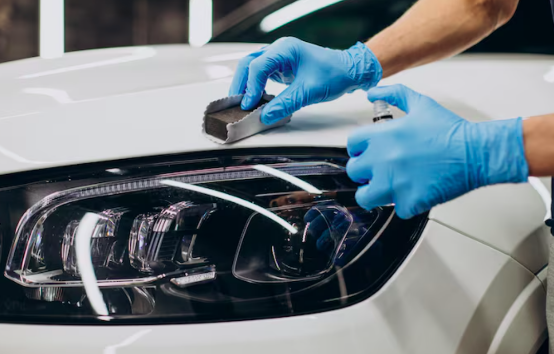
Protecting Your Investment: How to Choose Professional Ceramic Coating Services
Maintaining the pristine appearance of a vehicle is a priority for many owners, leading to the rising popularity of advanced paint protection solutions. Among these, professional-grade treatments offer unmatched durability and a deep, glossy finish that standard waxes cannot replicate. However, because the application process requires significant skill and preparation, selecting the right provider is essential. To ensure you receive high-quality results, consider the following factors when vetting professionals for this specialized automotive task. Experience and Technical Expertise The application of a high-quality ceramic coating is far more complex than simply wiping a product onto the surface of the car. It requires extensive knowledge of paint chemistry and proper preparation techniques. When evaluating potential shops, prioritize technicians who have specific training and years of hands-on experience. A seasoned professional understands how to navigate different paint types and clear coats, ensuring that the final result is flawless rather than uneven or streaky. Paint Correction Capabilities Before any protective layer can be applied, the vehicle’s surface must be completely decontaminated and free of imperfections. Any swirl marks, scratches, or oxidation trapped underneath will be permanently locked in once the treatment cures. Therefore, a reputable service provider must offer comprehensive paint correction services as part of their preparation. Ask to see examples of their previous work to ensure they have the expertise to restore your vehicle to a near-perfect state before the final application. Quality of Products Used The market is flooded with various brands of protection products, but not all provide the same level of longevity or hardness. Professional-grade solutions often carry warranties and are reserved for certified installers. Do not hesitate to ask which brands the shop uses and why they prefer them. A transparent business will be happy to explain the benefits of their chosen products, such as their resistance to UV rays, chemical etching, and environmental contaminants. Facility Environment and Equipment Proper application requires a clean, controlled environment. Dust, humidity, and improper lighting are the enemies of a perfect finish. A professional shop should have a dedicated, climate-controlled detailing bay equipped with high-intensity lighting to reveal every imperfection during the process. If a provider works in a dusty garage or outdoors, it is highly likely that contaminants will settle into the wet coating, compromising the overall look and durability of your ceramic coating. Warranty and Aftercare Support A professional service should always come with a clear warranty that outlines what is covered and for how long. Furthermore, your provider should offer specific maintenance instructions to keep the layer performing at its peak. Whether it involves specific washing techniques or annual inspection requirements, a reputable shop will guide you on how to maximize the lifespan of your chosen ceramic coating. Reputation and Customer Reviews Finally, look for social proof. Read online reviews, check their social media portfolios, and ask for testimonials from past clients. A business that consistently delivers excellent results will have a positive reputation within the local automotive community. Taking the time to verify these details ensures that your investment is handled by someone who truly cares about the quality of the ceramic coating applied to your vehicle.
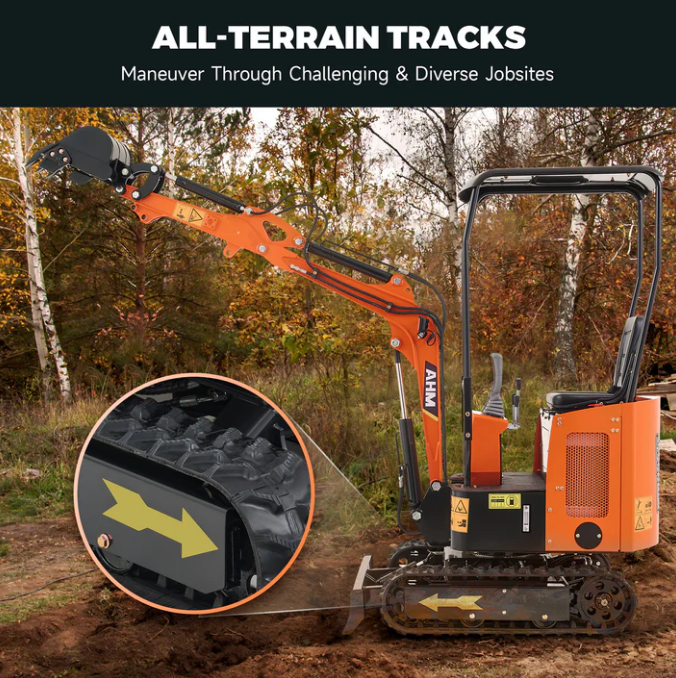
Operating Your Mini Excavator on Slopes and Uneven Terrain
Gravity is a patient coordinator—it’s always waiting for you to make a mistake. When you’re sitting in the cab of an AHM AX-series mini excavator, you have a mountain of hydraulic power at your fingertips. But when you take that power onto a hill, a slope, or uneven terrain, the rules of the game change instantly. Mini excavators are incredibly stable on flat ground, but because they have a short wheelbase and a high center of gravity, working on an incline requires strategy. At AHM, your safety is our number one priority. Before you tackle that hillside trench or retaining wall, master these four rules of slope operation. 1. The Golden Rule: Face the Slope The absolute most dangerous thing you can do in a mini excavator is travel or work perpendicular (sideways) to a steep hill. The Right Way:Always drive straight up or straight down a slope. Your tracks should be parallel to the incline. The Physics:If you travel sideways across a hill, the center of gravity shifts entirely to the downhill track. One small rock or dip under that track can cause the machine to tip over sideways in the blink of an eye. 2. Keep the Bucket Low and “Forward” When you are moving on an incline, your bucket isn’t just for dirt—it’s your training wheel and your counterweight. Going Uphill:Extend your boom and arm forward, keeping the bucket just a few inches off the ground. If the front of your tracks starts to lift, you can immediately drop the bucket onto the dirt to stabilize the machine. Going Downhill:Point the bucket forward and keep it low. If the machine begins to slide, dropping the bucket into the ground acts as an instant emergency brake. 3. The Danger of the 360° Swing On flat ground, spinning your AHM machine in a full circle is a breeze. On a hill, it can be a trap. The Risk:Imagine you are parked facing straight up a hill. Your counterweight (the heavy back of the machine) is safely on the downhill side. If you suddenly swing the cab 180 degrees to dump dirt behind you, that massive counterweight is now swinging to the uphill This suddenly changes your balance point and can cause the back tracks to lift off the ground. The Safe Method:If you must swing on a slope, do it slowly and smoothly. Avoid sudden stops or jerks, which create momentum that can pull the machine over. 4. Know Your Limits (The 15/25 Rule) Every machine has its physical limits, no matter how skilled the operator is. For most compact machinery, we recommend the 15/25 Rule: Max Side Slope (15°):Never attempt to operate or travel across a slope greater than 15 degrees sideways. Max Up/Down Slope (25°):Never attempt to climb or descend a slope steeper than 25 degrees, even when facing straight under it. Note: If the soil is muddy, wet, or rocky, cut those numbers in half. Traction is just as important as the angle. Slope Safety Checklist What to Check The Safe Standard Why? Blade Position Lowered slightly on the downhill side Acts as an extra anchor to prevent sliding. Seatbelt Always clicked If the machine tips, the ROPS (Roll-Over Protective Structure) will save you—but only if you stay inside the cab. Travel Speed Low gear (Turtle mode) High gear on a slope can cause sudden track slippage. Engine Oil Level Full On steep angles, oil can slosh away from the engine pump. Keep it topped off! When in Doubt, Build a Bench If you absolutely have to dig a trench along a steep hillside, don’t try to fight the angle. Use your AHM excavator to cut a flat bench into the hill first. Dig into the high side, dump the dirt on the low side, and flatten out a platform to sit on. It takes an extra 20 minutes, but it ensures you’re working on a safe, level surface.
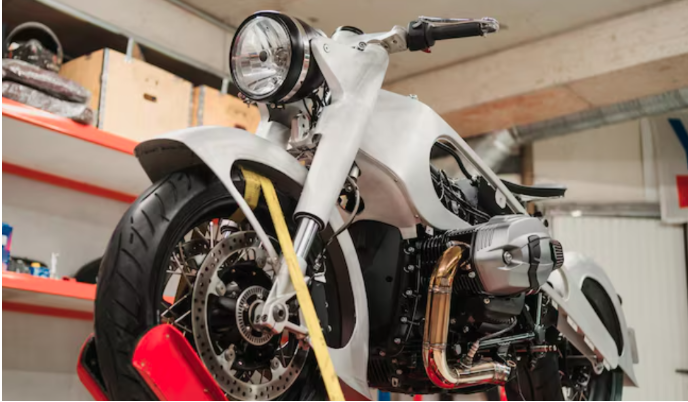
Critical Factors to Consider When Choosing a Motorcycle Repair Shop
Maintaining the performance and safety of a two-wheeled vehicle requires more than just basic mechanical knowledge; it demands specialized expertise and precision. Whether you are dealing with a routine oil change or a complex engine overhaul, the quality of the service you receive directly impacts your riding experience and the longevity of your machine. Finding a trustworthy motorcycle repair shop is essential for every rider who values their investment and their safety on the road. To ensure your bike is in capable hands, consider the following six factors during your selection process. Checking Technical Certifications and Training The first thing to verify is the professional background of the mechanics. A reputable motorcycle repair shop should employ technicians who hold industry-standard certifications or manufacturer-specific training credentials. These qualifications ensure that the staff is familiar with the latest diagnostic tools and repair protocols. When a shop invests in ongoing education for its team, it demonstrates a commitment to technical excellence and modern service standards. Evaluating Specialized Experience with Your Model Motorcycles vary significantly between brands and styles, from air-cooled cruisers to high-performance sportbikes. It is beneficial to find a motorcycle repair shop that has specific experience working on your particular make and model. Some shops specialize in vintage restorations, while others focus on modern electronic systems. Choosing a facility that understands the unique engineering of your bike will lead to more accurate troubleshooting and more efficient repairs. Assessing the Quality of Tools and Facilities A quick walk through the service area can reveal a lot about the professionalism of the business. The work environment should be organized, clean, and equipped with the necessary specialized tools for modern motorcycles. A well-maintained motorcycle repair shop indicates that the staff takes pride in their work and handles customers’ property with care. Advanced diagnostic software and precision lifts are signs that the shop is capable of handling delicate and high-tech components correctly. Transparency in Pricing and Estimates Reliability is built on clear communication regarding costs. Before any work begins, the mechanic should provide a detailed written estimate that breaks down labor charges and part costs. A transparent motorcycle repair shop will notify you if additional issues are discovered during the service and will seek your approval before proceeding with extra repairs. This honesty prevents unexpected financial surprises and builds long-term trust between the rider and the service provider. Availability of Genuine Replacement Parts The quality of the parts used in a repair is just as important as the skill of the mechanic. Inquire whether the shop uses original equipment manufacturer parts or high-quality aftermarket alternatives. Using inferior components can lead to premature failure and may even void your vehicle’s warranty. A professional shop will be honest about the sourcing of their parts and will recommend the best options to ensure the safety and reliability of your motorcycle. Researching Reputation and Customer Feedback In the digital age, a shop’s reputation is easily accessible through online reviews and community forums. Look for consistent positive feedback regarding the quality of workmanship and the punctuality of the service. Word-of-mouth recommendations from local riding groups are also invaluable. A facility that has a history of satisfied customers and stand-behind warranties is more likely to provide the high level of service you deserve for your motorcycle.
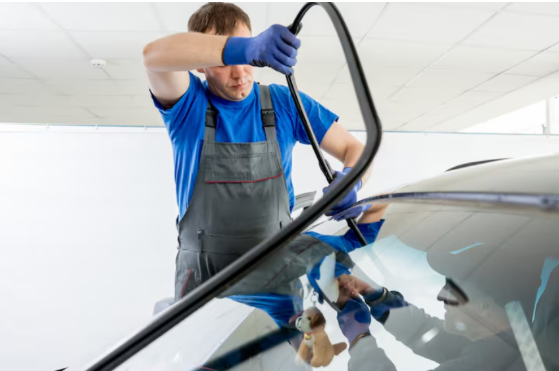
How Auto Glass Window Repair Can Restore Your Car Windshield Quickly
A damaged windshield can be stressful and unsafe for any driver. Even a small crack or chip can quickly spread if it is not repaired on time. That is why it is important to act fast and choose a reliable solution. Auto glass window repair is designed to fix these issues efficiently and help restore your windshield to its original condition. This service not only saves time but also helps maintain the safety and appearance of your vehicle. Understanding the Importance of a Healthy Windshield Your car’s windshield plays a major role in your safety. It protects you from dust, wind, and road debris while also supporting the structure of your vehicle. A damaged windshield can reduce visibility and weaken the overall strength of your car. Even minor damage can become a bigger problem if ignored. This is where auto glass window repair becomes essential, as it helps fix small issues before they turn into costly replacements. How Auto Glass Window Repair Works Auto glass window repair is a simple and quick process carried out by trained professionals. When you take your car for repair, the technician carefully inspects the damage to determine its size and depth. If the crack or chip is not too large, they use special tools and a clear resin to fill the damaged area. This resin is then hardened using ultraviolet light, which restores the strength and clarity of the glass. The process usually takes less than an hour, making it a convenient option for busy car owners. With proper repair, the damage becomes less noticeable, and the windshield regains its durability. Benefits of Choosing Auto Glass Window Repair One of the biggest advantages of auto glass window repair is the time it saves. Instead of replacing the entire windshield, you can fix the issue quickly and get back on the road. This service is also more affordable compared to full replacement, which makes it a practical choice for many drivers. Another benefit is that it helps maintain the original factory seal of your windshield. Replacing the glass may sometimes affect the fit and finish, but repairing it keeps everything intact. Additionally, quick repairs prevent cracks from spreading further, which can save you from bigger expenses in the future. When You Should Consider Repair Instead of Replacement Not all windshield damage requires a full replacement. If the crack is small and not directly in the driver’s line of sight, repair is often the best option. Chips that are smaller than a coin can usually be fixed easily with auto glass window repair techniques. However, if the damage is large, deep, or located near the edges of the windshield, replacement may be necessary. It is always best to consult a professional who can assess the condition and recommend the right solution. Tips to Prevent Further Windshield Damage After getting your windshield repaired, it is important to take care of it to avoid future issues. Avoid sudden temperature changes, such as pouring hot water on a cold windshield. Drive carefully on rough roads to reduce the risk of new chips. Regularly cleaning your windshield also helps you spot any new damage early. By taking these simple steps, you can extend the life of your windshield and reduce the need for frequent repairs. Conclusion Auto glass window repair is a fast, effective, and cost-friendly way to restore your car’s windshield. It helps fix minor damage before it becomes a serious problem, ensuring your safety and improving your driving experience. With quick service and lasting results, this repair method is an excellent choice for anyone dealing with chips or cracks. Taking timely action not only saves money but also keeps your vehicle in top condition for the road ahead.

How Car Locksmiths Work with High Security Key Systems
Modern vehicles are equipped with advanced security features designed to prevent theft and unauthorized access. High security key systems, including transponder keys, keyless entry systems, and electronic immobilizers, are now standard in many cars. While these systems enhance vehicle security, they can also pose challenges if keys are lost, damaged, or malfunctioning. This is where a professional car locksmith plays a vital role, providing specialized services to manage, repair, and replace high security key systems efficiently. 1. Understanding High Security Key Systems High security key systems go beyond traditional metal keys. They include features such as electronic chips, remote fobs, and encrypted signals that communicate with the vehicle’s onboard computer. These systems ensure that only authorized keys can start the engine or access the vehicle. A skilled car locksmith understands how these complex systems function, including the programming and synchronization required to maintain security while providing access to the vehicle. 2. Key Cutting and Programming For high security keys, traditional key cutting is not enough. Modern keys require precise duplication and electronic programming. A car locksmith uses specialized equipment to cut keys accurately and program them to match the vehicle’s security system. This process ensures that the new key or replacement fob functions seamlessly with the car’s immobilizer and other security features. Proper programming is crucial to prevent system errors and avoid locking the vehicle entirely. 3. Dealing with Keyless Entry Systems Keyless entry systems allow drivers to unlock and start their vehicles without inserting a key. While convenient, these systems can fail due to battery issues, signal problems, or software glitches. A professional car locksmith is trained to diagnose issues, repair keyless entry devices, and reprogram remotes. They can also provide solutions for lost or stolen key fobs, ensuring that old devices are deactivated to maintain security. 4. Emergency Lockout Services High security key systems often require expert handling during lockout situations. Attempting to access a vehicle without proper tools or knowledge can damage both the locking mechanism and the electronic systems. A car locksmith provides emergency lockout services, using safe techniques to gain entry while preserving the integrity of the high security system. They can also create new keys on-site if necessary, reducing downtime for vehicle owners. 5. Maintenance and Security Upgrades Car locksmiths also offer maintenance and security upgrade services for high security key systems. This includes reprogramming older keys, updating immobilizer systems, and installing additional anti-theft features. By regularly servicing high security key systems, locksmiths help vehicle owners maintain reliable access and enhance the overall security of their vehicles. Conclusion High security key systems have become an essential component of modern vehicles, offering protection against theft and unauthorized access. However, their complexity requires professional expertise to manage, repair, or replace keys and devices safely. A skilled car locksmith understands the technology behind these systems and provides services such as key cutting, programming, lockout assistance, and security upgrades. With their support, vehicle owners can enjoy the benefits of advanced security without compromising convenience or safety.
Tips For Choosing The Right Service Center For Mercedes Benz Repair
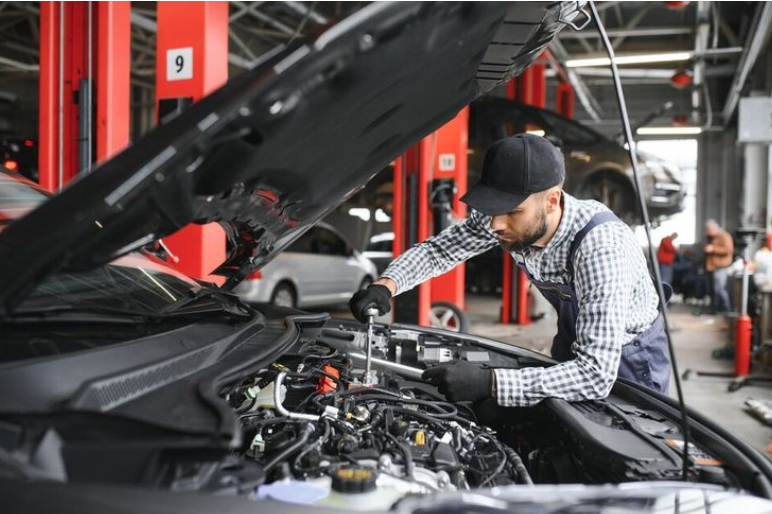
Owning a Mercedes Benz is more than just driving a luxury car. It is an experience of performance, precision, and style. But even the finest machines need care. Choosing the right service center can make all the difference. The right facility ensures your vehicle stays in top condition and avoids costly repairs later. From routine maintenance to complex repairs, knowing what to look for is essential. Understanding Mercedes Benz Repair Standards Mercedes Benz repair involves specialized knowledge of the brand’s engineering and technology. Not every auto shop can handle the intricate systems found in these vehicles. A qualified service center should have certified technicians trained in mercedes benz repair. This ensures that your car receives genuine care and parts, preserving performance and longevity. Understanding these standards helps you narrow down reliable options. Checking Certification And Expertise A trusted service center for Mercedes Benz repair will display certifications prominently. Certifications from Mercedes-Benz itself indicate that the technicians are trained to follow strict manufacturer guidelines. Expertise matters, especially for newer models with advanced electronics and safety systems. Visiting certified centers gives peace of mind, knowing your car is in capable hands. Evaluating Service Center Facilities Facilities play a critical role in the quality of Mercedes Benz repair. Well-equipped workshops with modern diagnostic tools can identify problems quickly and accurately. Look for centers that use genuine Mercedes parts and have the latest technology to perform repairs efficiently. The environment of the service center often reflects the professionalism and care your car will receive. Considering Experience And Reputation Experience is invaluable when it comes to Mercedes Benz repair. A service center with years of experience has likely encountered a wide range of issues and can handle complex repairs with confidence. Reputation also matters. Reading reviews and seeking recommendations from other Mercedes owners can reveal the reliability and honesty of a service center. A good reputation is often a reflection of consistent quality. Assessing Customer Service And Support Customer service is just as important as technical expertise. A professional service center communicates clearly about repairs, timelines, and costs. They answer questions patiently and provide updates throughout the repair process. Excellent customer service ensures that your experience is smooth and stress-free, reinforcing trust in the center handling your Mercedes Benz repair. Comparing Costs And Warranty Options While cost should never be the only factor, it remains an important consideration. Reliable service centers provide transparent pricing and avoid hidden fees. They may also offer warranty options on repairs, which adds value and security. Comparing costs and warranties across multiple centers can help you find a balance between quality and affordability for your Mercedes Benz repair. Conclusion Choosing the right service center for Mercedes Benz repair requires careful attention to certification, expertise, facilities, and customer care. Taking the time to research and evaluate centers ensures your vehicle continues to perform at its best. A trusted service center protects your investment and keeps every drive enjoyable. With the right choice, your Mercedes Benz will stay as refined and reliable as the day you first drove it.