
Warranty administrator jobs are an important part of the automotive and dealership industry. These professionals manage warranty claims, review repair documentation, communicate with manufacturers, track payments, and help dealerships receive proper reimbursement for covered repairs. The role combines automotive knowledge, administration, accounting, computer skills, and attention to detail. Current job descriptions commonly emphasize accurate claim processing, documentation, warranty policy compliance, payment reconciliation, and familiarity with dealership management systems. For people who enjoy organized office work but also have an interest in automobiles, warranty administration can be an attractive career path. What Does a Warranty Administrator Do? A warranty administrator handles the administrative side of vehicle warranty repairs. When a technician completes a repair that may qualify for manufacturer or extended warranty coverage, the administrator reviews the repair information and prepares the claim. Typical responsibilities include: The goal is simple: make sure valid warranty repairs are documented correctly and submitted according to the required procedures. Why Warranty Administrator Jobs Are Important A dealership can complete excellent repair work but still lose money if warranty claims are submitted incorrectly. Missing information, incorrect codes, incomplete technician notes, or failure to follow manufacturer procedures can cause delays or rejected claims. Warranty administrators help prevent these problems by checking claims before and after submission. They often work closely with: This makes the position an important connection between the service department and the financial side of the dealership. Key Skills Needed for Warranty Administrator Jobs Successful warranty administrators need more than basic computer knowledge. The position requires accuracy, organization, communication, and an understanding of automotive service processes. Attention to Detail Small errors can affect whether a claim is approved. Administrators need to carefully review repair orders, labor information, parts, dates, and supporting documentation. Automotive Knowledge You do not necessarily need to be a technician, but understanding common vehicle systems and repair terminology can make the job much easier. Computer Skills Many positions require familiarity with dealership management systems and standard office software. Some current job postings specifically mention systems such as CDK and other DMS platforms. Communication Warranty administrators communicate with technicians, service advisors, managers, manufacturers, and accounting personnel. Clear communication helps resolve missing information and rejected claims. Organization A busy dealership may have many open claims at the same time. Strong organization helps administrators track deadlines, payments, rejected claims, and documentation. Warranty Administrator Job Requirements Requirements vary by employer. Some dealerships prefer previous warranty or dealership experience, while others may consider candidates with related administrative, service, accounting, or automotive backgrounds. Requirement Why It Matters Automotive knowledge Helps understand repairs and technician documentation Computer skills Needed for claim and dealership systems Attention to detail Reduces errors and rejected claims Communication Helps resolve claim issues Organization Keeps claims and records on schedule Accounting awareness Helps track warranty payments and receivables Some experienced positions request previous warranty administration experience, while others emphasize dealership experience, DMS knowledge, and strong computer skills. Daily Responsibilities of a Warranty Administrator A typical day can involve several different tasks. Reviewing Repair Orders The administrator reviews completed repair orders to determine whether the documentation supports a warranty claim. Submitting Claims Once the information is complete, the claim is submitted through the appropriate manufacturer or warranty system. Managing Rejected Claims Not every claim is accepted immediately. When a claim is rejected, the administrator investigates the reason, corrects the documentation when appropriate, and resubmits it. Tracking Warranty Payments Administrators may also monitor warranty receivables and work with accounting teams to ensure approved claims are paid correctly. Maintaining Records Warranty records need to be organized and available for future reference or audits. Some positions also involve tracking manufacturer policy updates, recalls, and procedural changes. Where Can You Find Warranty Administrator Jobs? Most opportunities are connected to the automotive service industry. Common workplaces include: Some experienced warranty administrators can also find remote opportunities, particularly with companies that provide warranty administration services to dealerships. How to Start a Career in Warranty Administration You do not always need a four-year degree to enter this field. Employers often place significant value on practical automotive, dealership, administrative, and computer experience. A useful career path can look like: Entry-Level Administration → Service Department Experience → Warranty Administrator → Senior Warranty Administrator → Warranty Manager Experience as a service advisor, service coordinator, dealership administrator, accounting clerk, or automotive professional can provide useful transferable skills. Learning dealership management software and understanding manufacturer warranty procedures can also make a candidate more competitive. Tips for Finding the Best Warranty Administrator Jobs If you are actively searching for these positions, focus your resume on skills that directly match the job description. Highlight: Also look for related titles such as Warranty Clerk, Warranty Specialist, Automotive Warranty Administrator, Service Warranty Administrator, and Warranty Coordinator. Is Warranty Administration a Good Career? Warranty administration can be a good option for someone who wants an automotive career without spending every day performing mechanical repairs. The job may be especially suitable if you enjoy: It can also provide a pathway into other dealership positions, including service management, accounting, claims management, or aftersales operations. Final Thoughts Warranty administrator jobs combine automotive knowledge with administration, technology, communication, and financial responsibility. The work may happen behind the scenes, but it plays an important role in helping dealerships receive payment for qualifying warranty repairs. For job seekers, building automotive knowledge, learning dealership software, improving documentation skills, and gaining dealership experience can create a strong foundation for this career. With experience, warranty administrators can progress toward senior administrative and management positions within the automotive industry. FAQs About Warranty Administrator Jobs What is a warranty administrator? A warranty administrator processes and manages warranty claims for a dealership or service business. The job typically involves reviewing repair documentation, submitting claims, tracking payments, and resolving rejected claims. Do warranty administrators need automotive experience? Automotive experience is highly useful, although requirements vary. Some employers prefer previous dealership or warranty experience, while others may consider candidates with related administrative or service experience. What skills are important for a warranty administrator? Attention to detail,
How Car Oil Change Services Can Extend the Life of Your Engine
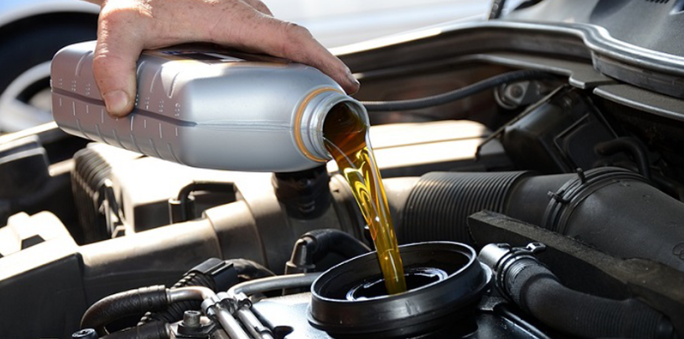
Maintaining your vehicle’s engine is essential to ensure its longevity and performance. One of the most critical aspects of engine care is regular car oil change services. Fresh oil not only keeps the engine running smoothly but also plays a vital role in prolonging its life. This article explores how routine oil changes contribute to the health of your engine, enhance its efficiency, and save you money in the long run. The Role of Oil in Your Engine Engine oil is the lifeblood of your car’s engine. It serves several functions that help your vehicle operate smoothly. Primarily, oil lubricates the moving parts of the engine, reducing friction and preventing excessive wear. Without sufficient lubrication, metal parts can rub against each other, leading to overheating, increased wear, and eventually engine failure. Additionally, oil acts as a cleaning agent by trapping dirt, debris, and contaminants. Over time, the oil becomes dirty and less effective, which is why a regular car oil change is essential. Fresh oil allows the engine to run efficiently, preventing buildup that can cause blockages and other mechanical problems. How Regular Car Oil Changes Enhance Engine Performance Prevents Overheating The friction created between moving engine components generates heat. Oil helps dissipate this heat, ensuring that the engine doesn’t overheat. As the oil ages, it loses its ability to absorb and dissipate heat effectively. A regular car oil change ensures that the engine is kept at the proper temperature, preventing damage caused by overheating. Reduces Wear and Tear As oil circulates through the engine, it reduces the friction between metal parts, preventing them from grinding against each other. This minimizes wear and tear, preserving the integrity of the engine. Without regular oil changes, oil becomes thick and contaminated, losing its ability to lubricate effectively. Over time, this results in excessive engine wear, which can lead to costly repairs or replacements. Enhances Fuel Efficiency Old and dirty oil can cause the engine to work harder to perform the same tasks, which can reduce fuel efficiency. By ensuring that your engine is properly lubricated with clean oil, you can improve your vehicle’s gas mileage. A well-maintained engine runs more smoothly, requiring less energy to perform its tasks, ultimately saving you money at the pump. The Consequences of Skipping Oil Changes Failing to change your car’s oil regularly can lead to several engine problems. As oil breaks down, it loses its effectiveness in lubricating and cooling the engine. This can lead to increased friction, overheating, and premature engine wear. Additionally, dirty oil can clog essential components like the oil filter and oil passages, which can result in engine malfunctions. In severe cases, neglecting oil changes can lead to complete engine failure. The cost of replacing an engine far outweighs the price of regular oil changes, making it a wise investment for the health of your vehicle. When Should You Schedule a Car Oil Change? The frequency of oil changes depends on several factors, including your car’s make and model, driving habits, and the type of oil used. Most manufacturers recommend changing the oil every 3,000 to 7,500 miles, though some modern vehicles can go up to 10,000 miles between oil changes. Always refer to your owner’s manual for specific recommendations. If you frequently drive in stop-and-go traffic, tow heavy loads, or drive in extreme weather conditions, you may need to change your oil more often. Monitoring your vehicle’s oil level and checking for signs of oil degradation, such as a darker color or gritty texture, can also help you determine when it’s time for a change. Conclusion Regular car oil change services are crucial to extending the life of your engine. Oil plays a key role in lubricating, cooling, and cleaning the engine, preventing excessive wear, overheating, and fuel inefficiency. By scheduling routine oil changes, you can keep your engine running smoothly, reduce the risk of costly repairs, and ensure your vehicle remains reliable for years to come. Prioritizing oil maintenance is one of the best ways to protect your investment and maintain optimal vehicle performance.