
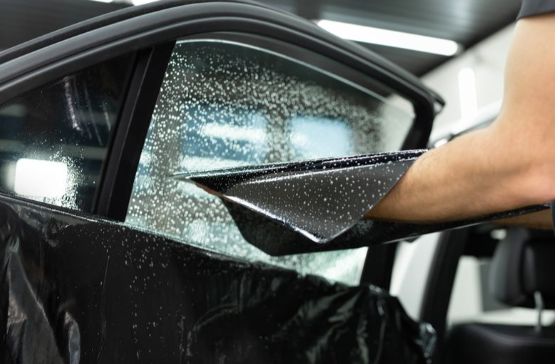
Driving can be an enjoyable experience, but it also comes with challenges. Sun glare, heat, and distractions from outside can make it difficult to focus on the road. One solution that many drivers are turning to is car window tinting. This simple modification can enhance both comfort and safety while driving. In this article, we will explore how car window tinting benefits drivers and why it is worth considering. Reducing Heat Inside Your Car One of the most noticeable benefits of car window tinting is its ability to reduce heat inside your vehicle. On sunny days, the sun’s rays can make the interior of a car extremely hot, which can be uncomfortable and even dangerous. Tinted windows block a significant portion of the sun’s infrared rays, helping to keep the car cooler. This not only makes your drive more comfortable but also reduces the need for excessive air conditioning. Lower use of air conditioning can improve fuel efficiency, making your car more environmentally friendly and cost-effective in the long run. Protecting Against Sun Glare Sun glare is a major cause of distraction and accidents on the road. It can make it difficult to see traffic lights, pedestrians, and other vehicles. Car window tinting helps by reducing the amount of bright sunlight that enters the car. This improves visibility and allows drivers to focus on the road without constantly squinting. Whether you are driving in the morning or late afternoon, tinted windows can make your journey safer by minimizing the risk of sun-related accidents. Enhancing Privacy and Security Car window tinting also provides a higher level of privacy. Tinted windows make it harder for people outside to see inside your vehicle, which can be particularly useful when parked in public areas. This added privacy can protect your belongings from potential theft and give you peace of mind while driving. In addition, the tint can help hold shattered glass together in case of an accident, reducing the risk of injury from flying glass. This makes tinted windows an added safety feature as well as a comfort feature. Protecting Your Skin and Interior Extended exposure to ultraviolet (UV) rays from the sun can cause skin damage over time. Car window tinting blocks a large percentage of harmful UV rays, helping to protect your skin during long drives. At the same time, it helps prevent the car’s interior from fading or cracking. Leather seats, dashboards, and other interior materials can last longer with tinted windows, maintaining the car’s appearance and value. This makes car window tinting an investment in both your health and your vehicle. Improving Driving Focus and Reducing Fatigue Long drives can be tiring, especially when dealing with harsh sunlight and reflections from other vehicles. Car window tinting reduces the intensity of sunlight and glare, allowing drivers to maintain focus for longer periods. A comfortable environment inside the car reduces stress and fatigue, which are common causes of accidents. By creating a calmer and more consistent lighting condition, tinted windows help drivers stay alert and in control, even on long journeys. Adding Style and Resale Value While comfort and safety are the main reasons for choosing car window tinting, it also adds aesthetic value. A well-tinted car looks sleek and modern, giving it a stylish appearance. Additionally, maintaining the interior condition with tinted windows can preserve the vehicle’s resale value. Future buyers often see tinted windows as a desirable feature, making your car more appealing on the market. Conclusion Car window tinting is more than just a cosmetic upgrade. It improves driving comfort by reducing heat and glare, protects your skin and car interior from damage, enhances privacy and security, and helps maintain focus and reduce fatigue while driving. By investing in quality window tinting, you can create a safer, more comfortable, and more enjoyable driving experience. Whether for everyday commuting or long road trips, car window tinting is a practical choice that benefits both drivers and their vehicles.
How an Automotive Battery Charger Can Save You During Emergencies
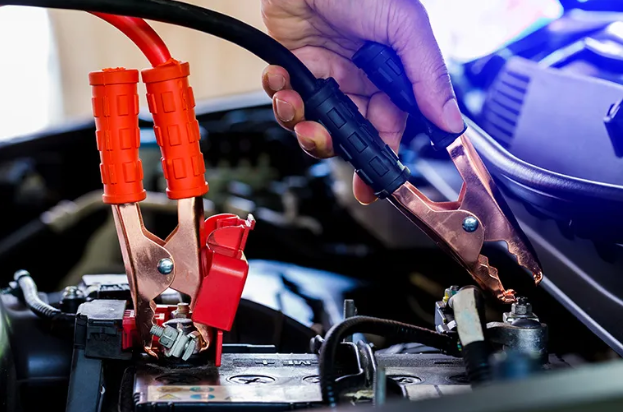
Vehicles have become an essential part of our daily lives, helping us get to work, run errands, and travel long distances. But what happens when your car battery dies at the most inconvenient time? A dead battery can leave you stranded, stressed, and sometimes even in danger. This is where an automotive battery charger becomes an invaluable tool. By keeping one in your garage or car, you can quickly restore power to your vehicle and avoid unnecessary delays or emergencies. Understanding the Importance of a Car Battery A car battery is the heart of your vehicle’s electrical system. It powers the starter motor, ignition system, lights, and other essential electronics. Over time, batteries naturally lose their charge due to age, frequent use, or extreme temperatures. Even a well-maintained vehicle can face battery issues unexpectedly. Without a charged battery, your car won’t start, leaving you stuck wherever you are. Having an automotive battery charger on hand allows you to take immediate action instead of waiting for roadside assistance. How an Automotive Battery Charger Works An automotive battery charger is designed to restore the charge in a car battery safely and efficiently. Most chargers connect directly to the battery terminals using clamps, and they supply the correct voltage to bring the battery back to life. Some advanced models also feature smart technology that prevents overcharging and adjusts the charging rate based on the battery’s condition. Using a charger is straightforward: you connect the device to the battery, turn it on, and let it work. Within a short time, your battery will regain enough power to start your car, even if it was completely dead. Benefits During Emergencies Emergencies can happen at any time, and having a dead battery can make situations more stressful. For example, being stuck on a deserted road at night or in extreme weather can be dangerous. An automotive battery charger allows you to quickly recharge your battery and continue your journey safely. It saves time by eliminating the need to call a tow truck or wait for a jump-start from another vehicle. Additionally, using a charger reduces the risk of damaging your battery through repeated failed start attempts, which can be costly in the long run. Choosing the Right Charger Not all automotive battery chargers are the same, and selecting the right one is important for safety and effectiveness. Consider factors like charging speed, battery compatibility, and safety features. Some chargers are portable and compact, making them easy to store in your vehicle, while others are designed for home use with more powerful capabilities. Look for models with overcharge protection and automatic shut-off features to prevent accidents or battery damage. Investing in a reliable automotive battery charger ensures you are prepared for unexpected situations. Tips for Using a Battery Charger Safely Using an automotive battery charger is simple, but it requires attention to safety. Always read the manufacturer’s instructions before using the device. Make sure the charger is compatible with your battery type, whether it’s lead-acid, AGM, or gel. Avoid connecting the charger to a damaged or leaking battery, as this can be hazardous. Always connect the positive clamp first, followed by the negative clamp, and ensure the charger is turned off before removing it. Following these precautions ensures that you can use the charger effectively and safely during emergencies. Maintaining Your Battery for Longevity An automotive battery charger is not only useful during emergencies but also helps maintain the overall health of your battery. Regularly charging a battery that is not frequently used, such as in seasonal vehicles or rarely driven cars, prevents it from fully discharging. A well-maintained battery has a longer lifespan, reduces the risk of unexpected failures, and ensures your car is ready to start whenever you need it. Using a charger proactively can save you both money and stress in the long term. Conclusion A dead car battery can turn a simple trip into a frustrating emergency. An automotive battery charger provides a practical, efficient, and safe solution for keeping your vehicle powered at all times. By understanding its benefits, selecting the right charger, and using it safely, you can handle unexpected battery failures with confidence. Keeping a charger on hand is more than a convenience—it is a vital tool that ensures you are prepared for any roadside emergency and helps maintain the longevity of your vehicle’s battery.