

In the world of digital search engine Optimization (SEO) has become an essential strategy for companies and those who wish to improve their visibility online. A highly efficient method of improving SEO is by manually guest posting on top Domain Authority (DA) sites. This article examines the benefits of guest posts, the methods to effectively execute them, and the best ways to maximize the effect it has on SEO. SEO efforts. Understanding Guest Posting The practice of guest posting also referred to by the name of guest blogging entails creating and publishing content on another’s web page or blog. This method serves two primary goals: providing value to the readers of the host site and also allowing the guest blogger to increase publicity, backlinks, and authority. When executed correctly it can dramatically improve your SEO by bringing visitors to your website as well as increasing brand awareness and establishing your credibility in your field of expertise. Why Focus on High DA Sites? Domain Authority (DA) is a metric created by Moz that predicts how websites will be ranked on the search engine result pages (SERPs). Websites with an impressive DA score are typically more trustworthy to the search engine and stand a greater likelihood of being ranked higher in results for searches. If you post a guest blog on these highly DA sites, you not only receive a backlink to your website but also gain the credibility and authority of the site hosting. This can lead to improved indexing on search engines and a rise in referral traffic. Benefits of Guest Posting on High DA Sites Increased Search Engine Optimization Rankings: Links coming from high DA websites are beneficial to your SEO. Search engines see these hyperlinks as endorsements, that can influence positively the authority of your site and its ranking. More traffic: Guest posts can increase traffic from the host website to your site, particularly if the content resonates with the readers. This can result in higher participation and higher conversions. Brand Recognition: Donating to well-known websites increases the visibility of your brand. People become aware of your company’s name and products which can result in future opportunities. Possibilities for Networking: Guest posts may enable you to connect with industry leaders as well as influencers, thereby opening the way for collaborations and collaborations. Multi-platform Content: Creating content content for different platforms lets you change your approach to content, allowing you to reach diverse audiences and expand your base of subscribers. Steps to Implement Manual Guest Posting 1. Identify Your Target Websites Begin by looking up the top DA sites that fit your area of expertise. Make use of tools such as Moz, Ahrefs, or SEMrush to determine a site’s DA score. Try to find sites with a DA that is 30 or more and prioritize sites with a DA score that is in line with your field. 2. Understand the Audience When you’ve compiled an idea of the sites you’d like to visit make sure you know the audience they attract and their content. Check out previous guest blog posts as well as the host’s most important themes. Make sure your pitch and content are tailored to match their readers’ preferences. 3. Create Quality Content It is essential to write content of high quality. Be sure that your article is engaging, informative, and has the most value. Use relevant keywords naturally to make your content more optimized for SEO. Try to achieve the word count to be between 800-1,200 words for the greatest impact. 4. Pitch Your Idea Contact the website’s editor or the owner of the site with a customized pitch. Make clear why your content will be useful to their viewers and give a short outline of the post you are planning to write. Make sure you are concise as well as professional with your communications. 5. Follow Submission Guidelines If the website accepts your pitch, make sure to follow the guidelines for submission. This includes word count, formatting, and any particular specifications for content. Failure to adhere to guidelines can cause the rejection of your application. 6. Include Relevant Backlinks Include backlinks to your website in the text naturally. Be sure these links provide value to the user and are relevant to the context of the post. Links that are too promotional can affect the overall quality of your blog post. 7. Promote Your Guest Post After your guest blog post has been published, you can promote it on your social media platforms and in your email newsletters. Engage readers via the comments section and provide details related to your article. This will not only increase the visibility of your site but also help to increase visitors to your website. Tips for Successful Guest Posting Concentrate on Quality over Quantity: Choose high DA sites instead of aiming for a multitude of low-quality websites. Explore Diversifying Your Content: Experiment using different formats like informational graphics, how-to guides, and case studies, to ensure that your content is always fresh and interesting. Establish Relationships: Develop connections with owners of the site and editors to ensure that you are prepared for future opportunities. Track Your Performance: Use analytics tools to monitor the performance of backlinks, referral traffic as well as changes in your SEO rankings in order to evaluate the efficacy of your guest post strategy. Conclusion A manual guest posting site with high DA is a powerful SEO strategy that can lead to significant benefits for your website. By focusing on quality content and strategic outreach, you can enhance your online presence, build authority, and drive valuable traffic to your site. Embrace this approach as part of your broader SEO strategy, and you’ll likely see positive results over time.

Understanding Panic Door Bars: The Ultimate Guide for Safe Exits
Panic door bars, also known as panic exit devices or crash bars, play a vital role in ensuring the safety of building occupants during emergency situations. Designed to enable swift and easy egress, these devices are crucial in high-traffic spaces where quick and reliable exit access can be a lifesaver. Whether installed in schools, hospitals, theaters, or commercial facilities, panic door bars are an essential component of modern building safety codes. This guide provides a comprehensive overview of panic door bars, from their function and types to regulatory requirements and maintenance best practices. What Are Panic Door Bars? Panic door bars are horizontal bars installed on the interior side of exit doors in commercial and public buildings. When pushed, the bar activates the door latch mechanism, allowing occupants to open the door quickly and evacuate the building without needing to turn a knob or handle. In emergencies, panic door bars provide an intuitive and efficient means of egress that can be used by individuals under stress or in panic without needing prior knowledge of the mechanism. The Purpose of Panic Door Bars The primary purpose of Panic Door Bars is to facilitate a quick exit during emergencies, such as fires, earthquakes, or other hazardous situations. These devices are especially useful in buildings that accommodate large numbers of people, as they prevent potential bottlenecks at exits and reduce the likelihood of stampedes. By allowing occupants to push against the bar to open the door, panic door bars ensure that even those under intense pressure can evacuate the building quickly. Types of Panic Door Bars There are several types of panic door bars available, each with unique features to suit different environments and security needs. Here are the most common types: Push Bars: These are the simplest form of panic door bars, where a horizontal bar is pushed to unlatch the door. They’re commonly seen in public spaces and are ideal for areas with high foot traffic. Touch Bars: Unlike traditional push bars, touch bars are activated by a light touch or pressure along the bar’s length, making them ideal for environments where individuals with limited strength may need to operate the exit. Alarmed Exit Bars: These panic door bars are equipped with an alarm that sounds when the door is opened, providing extra security by notifying building management or security personnel of potential unauthorized exits. Cross Bar Exit Devices: Cross bar devices feature a bar that spans the width of the door, with a pivot in the center that triggers the latch mechanism. This type is often preferred for larger doors or in locations where added durability is needed. Delayed Egress Devices: These bars incorporate a delay before opening, which can help prevent unauthorized exits while still providing emergency access after a short waiting period, typically 15 to 30 seconds. Understanding Building Code Requirements for Panic Door Bars Local and international building codes often require panic door bars for certain types of facilities and occupancy loads. For example, the National Fire Protection Association (NFPA) and International Building Code (IBC) have specific standards mandating panic hardware on exit doors in assembly, educational, and certain healthcare occupancies. According to these codes, doors should be easy to operate with minimal force to ensure rapid exit. Meeting these regulatory requirements is not only a matter of compliance but also of safety. Failure to install proper panic hardware can lead to fines, closure of premises, and serious safety risks during emergencies. Installation and Maintenance Tips for Panic Door Bars Proper installation and regular maintenance are crucial for the effective performance of panic door bars. Here are key points to consider: Hire a Qualified Installer: Professional installation ensures that the panic door bar meets both safety standards and building code requirements. Improperly installed bars can lead to malfunction during an emergency, compromising occupant safety. Regular Inspections: Perform routine inspections to verify that the panic door bar operates smoothly and that no parts are loose or damaged. Most building codes require that panic exit devices be checked periodically to maintain operational efficiency. Lubrication and Adjustment: Keeping the mechanisms lubricated and adjusted as needed can prevent wear and tear over time. This maintenance step is especially important in high-traffic buildings where frequent use may lead to premature wear. Emergency Drill Tests: Testing panic door bars during emergency drills helps ensure they’re fully operational and familiarizes occupants with their use. This practice also identifies potential malfunctions before a real emergency occurs. The Benefits of Using Panic Door Bars Panic door bars offer significant safety and operational benefits in public and commercial buildings: Ease of Use: Panic door bars require minimal training to operate and are easily recognizable, making them ideal for emergencies. Increased Safety: They reduce the risk of crowd-related injuries, especially in large gatherings. Compliance with Safety Standards: Proper installation of panic door bars helps businesses meet fire and building codes, avoiding penalties. Durability and Reliability: Designed for frequent use, these devices are built to withstand high traffic and deliver consistent performance under stress. Conclusion Panic door bars are essential safety features that can make all the difference in an emergency situation. By providing a reliable, easy-to-use exit option, they protect building occupants and facilitate faster evacuation. Whether you’re planning a new installation or maintaining an existing system, understanding the types, regulatory requirements, and maintenance needs of panic door bars will help ensure your facility remains a safe environment. For facility managers, architects, and business owners, investing in quality panic door bars and adhering to safety codes is not only a legal requirement but a critical step in safeguarding lives.
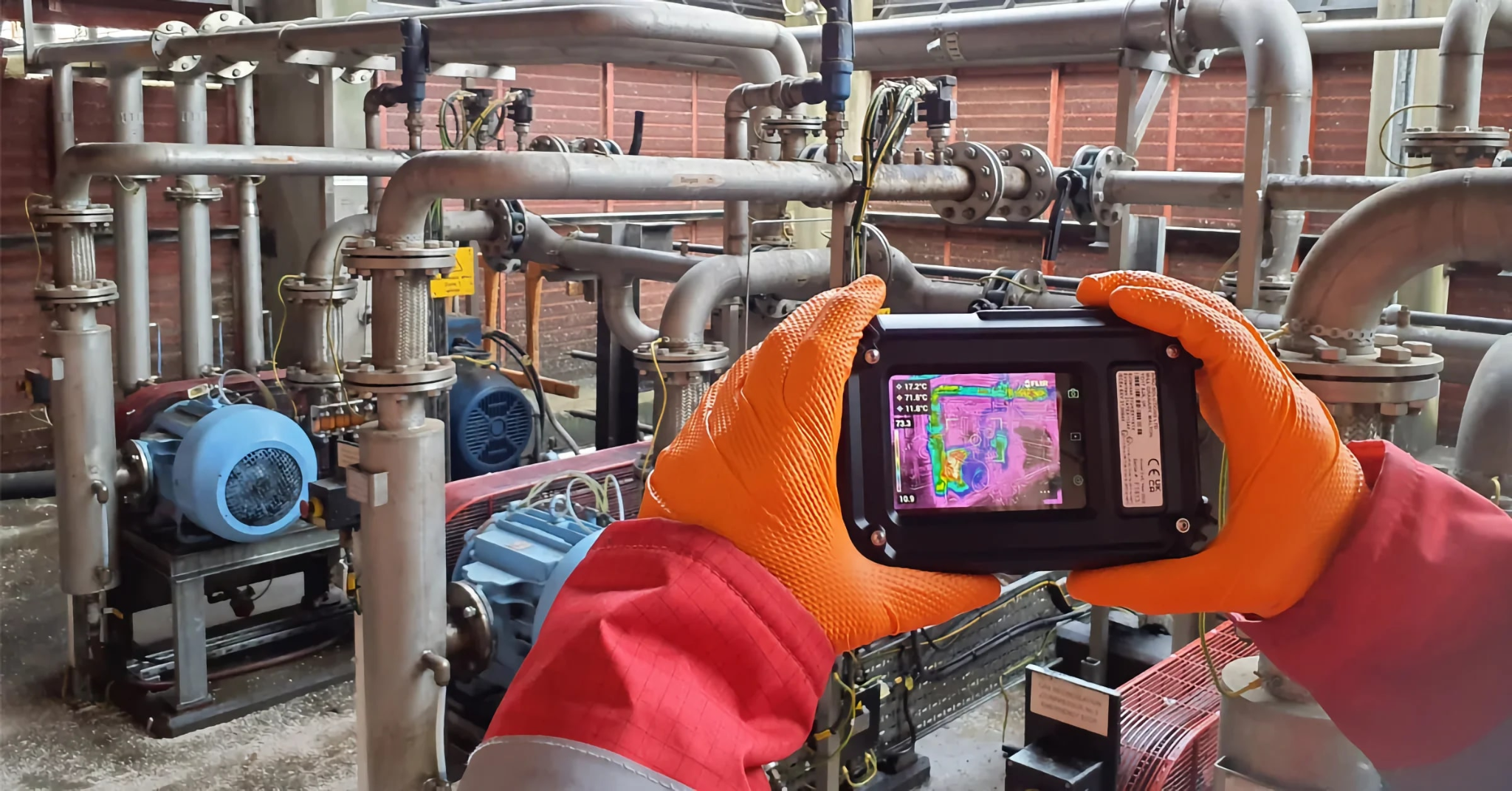
How to Get Your Metal Industrial Equipment to Last Longer
In the demanding world of industrial operations, ensuring that your metal equipment stands the test of time is essential for maintaining productivity and minimizing costs. Various strategies can be implemented to extend the lifespan of your metal industrial equipment. This article discusses two critical aspects: monitoring the equipment with thermal imaging and consulting a reliable metal fabrication manufacturer. Monitoring the Equipment with Thermal Imaging: Ensuring Optimal Performance One of the most effective ways to monitor the condition of your metal industrial equipment is through industrial equipment thermal imaging. This non-invasive technology allows for the detection of heat anomalies that could indicate underlying problems. By using thermal imaging cameras, operators can quickly assess the condition of machinery without interrupting operations. Regular thermal imaging inspections help identify issues such as overheating motors, friction in moving parts, or electrical faults before they lead to equipment failure. By catching these problems early, businesses can implement corrective measures, which can range from simple lubrication to complete component replacement. Incorporating thermal imaging into your maintenance routine not only prevents costly downtime but also enhances the overall safety of your workplace. In addition to regular inspections, it’s crucial to analyze the thermal data carefully. Patterns over time can provide insight into how equipment behaves under various loads and conditions. This proactive approach enables you to schedule maintenance activities more effectively, thus extending the life of your metal industrial equipment. Consulting a Reliable Metal Fabrication Manufacturer: Quality Matters Another vital step in ensuring the longevity of your metal industrial equipment is to consult a reliable metal fabrication manufacturer. The quality of materials and craftsmanship significantly influences the durability and performance of your equipment. When sourcing metal components, always choose manufacturers known for their stringent quality control measures and industry certifications. A reputable metal fabrication manufacturer should adhere to relevant industry standards, which ensures that the materials used can withstand the rigors of industrial environments. Whether it’s the thickness of the metal, the type of welding, or the finishing process, these details matter. Consulting with a manufacturer who understands your specific operational needs can lead to the creation of tailored solutions that enhance the durability of your equipment. Additionally, collaborating with a manufacturer allows you to gain insights into the latest advancements in materials and technology. For instance, innovations such as corrosion-resistant coatings or heat-treated metals can dramatically improve the performance and longevity of industrial equipment. A knowledgeable manufacturer can guide you in selecting these options based on your operational conditions, helping you avoid common pitfalls associated with subpar materials. Regular Maintenance and Inspections: The Backbone of Longevity Beyond monitoring and quality sourcing, regular maintenance and inspections form the backbone of keeping your metal industrial equipment in peak condition. Establishing a scheduled maintenance plan that includes routine checks and necessary repairs can prevent small issues from becoming major problems. Incorporate daily, weekly, and monthly inspection routines into your operations. Daily checks might include visual inspections for wear and tear, while weekly reviews can focus on fluid levels and component alignment. Monthly inspections should delve deeper, assessing critical components and performing preventative maintenance based on the manufacturer’s recommendations. Don’t forget to document all maintenance activities. Keeping accurate records allows you to track patterns and pinpoint areas that may require additional attention. This data-driven approach helps optimize your maintenance strategies over time, ensuring your equipment remains reliable and efficient. Training Your Workforce: Empowering Your Team Another key factor in extending the life of your metal industrial equipment is to invest in proper training for your workforce. Employees who understand the nuances of operating and maintaining machinery can significantly reduce wear and tear. Conduct training sessions that cover best practices for equipment operation, such as avoiding overloads, maintaining proper lubrication levels, and recognizing early signs of malfunction. Empowering your team with knowledge can prevent operational mishaps that could lead to premature equipment failure. Encourage a culture of safety and awareness. When employees feel responsible for the equipment they operate, they are more likely to take proactive measures to ensure its longevity. Establishing clear communication channels for reporting issues can further enhance this culture, ensuring that potential problems are addressed before they escalate. Conclusion: A Holistic Approach to Equipment Longevity In conclusion, extending the lifespan of your metal industrial equipment requires a holistic approach that encompasses advanced monitoring technologies like thermal imaging, collaboration with quality metal fabrication manufacturers, regular maintenance, and training your workforce. By implementing these strategies, you can ensure that your equipment remains operational, efficient, and reliable for years to come. This not only enhances productivity but also contributes to a safer working environment, ultimately benefiting your bottom line.

The Importance of Professional Collision Repair Services for Your Vehicle’s Safety
In today’s fast-paced world, vehicles are an essential mode of transportation, making them susceptible to accidents and collisions. When a vehicle sustains damage from an accident, it’s crucial to address the repairs promptly and professionally. Engaging in professional collision repair services not only restores your vehicle’s appearance but also plays a vital role in ensuring safety on the road. This article explores the significance of professional collision repair and its impact on vehicle safety. Understanding Collision Repair Collision repair refers to the process of restoring a vehicle to its pre-accident condition. This involves a series of tasks, including bodywork, frame straightening, repainting, and mechanical repairs. Professional collision repair services employ skilled technicians who are trained to assess and rectify damage, ensuring that all aspects of the vehicle are addressed. Ensuring Structural Integrity One of the most critical aspects of collision repair is restoring the vehicle’s structural integrity. A collision can compromise the frame and body of a vehicle, affecting its ability to absorb impact in future accidents. Professional collision repair services utilize advanced technology and equipment to measure and restore the frame to its original specifications. This precise alignment is crucial for maintaining the vehicle’s safety features, such as airbags and crumple zones, which are designed to protect occupants during a collision. Quality of Workmanship Professional collision repair shops take pride in their workmanship, employing certified technicians who understand the complexities of modern vehicles. These experts use high-quality materials and adhere to manufacturer specifications, ensuring that repairs are not only aesthetically pleasing but also durable and safe. Poorly executed repairs can lead to further issues down the line, such as misalignment, rusting, or even safety hazards during operation. By opting for professional collision repair services, vehicle owners can rest assured that their car is in capable hands. Advanced Technology and Tools The automotive industry has seen significant advancements in technology, including sophisticated diagnostic tools and repair equipment. Professional collision repair facilities invest in the latest technologies to provide accurate assessments and high-quality repairs. Techniques such as computerized frame alignment and paint matching ensure that repairs are seamless and reliable. This level of precision can only be achieved through professional services, as DIY repairs may lack the necessary tools and expertise. Safety Features and Compliance Modern vehicles are equipped with a variety of safety features designed to protect passengers during a collision. These include airbags, stability control systems, and advanced driver-assistance systems (ADAS). Professional collision repair services are trained to address the recalibration and replacement of these critical systems following an accident. Failure to properly repair or recalibrate these features can significantly compromise vehicle safety, making it imperative to seek professional assistance. Insurance Considerations Engaging professional collision repair services can also facilitate smoother interactions with insurance companies. Most insurance policies require repairs to be performed by certified technicians to guarantee that the work meets safety standards. Utilizing professional services ensures that the repairs are documented properly, which is essential for insurance claims. This documentation can be invaluable in protecting the vehicle owner’s interests and ensuring that they receive fair compensation for damages. Resale Value Retention For many vehicle owners, maintaining the resale value of their car is a significant concern. Professional collision repair services can help restore the vehicle to its original condition, which is crucial for retaining its market value. A vehicle that has undergone proper repairs will show fewer signs of wear and tear, making it more appealing to potential buyers. Conversely, a vehicle with subpar repairs can deter buyers and lead to a decreased resale value. The Psychological Impact of Professional Repairs The aftermath of a collision can be stressful for vehicle owners, impacting their confidence on the road. Knowing that their vehicle has been professionally repaired can restore peace of mind. Professional collision repair services provide assurance that the vehicle has been restored to a safe and operable condition. This sense of security is essential for promoting safe driving behaviors and encouraging responsible vehicle operation. Conclusion The importance of professional collision repair services cannot be overstated. From ensuring structural integrity and quality workmanship to addressing advanced safety features and compliance with insurance standards, these services play a pivotal role in maintaining vehicle safety. Vehicle owners should prioritize seeking professional collision repair after any accident to ensure their car is safe for the road. In doing so, they not only protect themselves and their passengers but also contribute to overall road safety. Investing in professional collision repair is an investment in safety, security, and peace of mind.

6 Money Management Tips to Improve Your Finances
Managing your money can feel overwhelming. Many people struggle with it daily, and it’s easy to see why. Between bills, expenses, and unexpected costs, it can seem like there’s never enough to go around. But don’t worry! With a little planning and some simple strategies, you can take control of your finances. Here are some money management tips to help you improve your financial situation. 1. Set Clear Goals The first step to managing your money better is to set clear goals. Think about what you want to achieve with your money. Do you want to save for a vacation, buy a new car, or pay off debt? Write down your goals and break them into smaller steps. This will make them feel more manageable and give you something to work toward. 2. Create a Budget A budget is a tool that helps you track your income and expenses. Start by listing all your sources of income, like your job or any side gigs. Then, list all your monthly expenses, such as rent, groceries, and utilities. Once you know how much money you have coming in and going out, you can see where you might need to cut back. Stick to your budget as closely as possible to stay on track. 3. Save for Emergencies Life is full of surprises, and sometimes those surprises come with a price tag. To prepare for unexpected expenses, like car repairs or medical bills, it’s essential to have an emergency fund. Aim to save at least three to six months’ worth of living expenses. Start small if you need to. Even setting aside a little each month can add up over time. 4. Track Your Spending Do you know where your money goes each month? Many people don’t realize how much they spend on small things, like coffee or snacks. Use a notebook or an app to track your spending for a month. This can help you identify areas where you might be overspending. Once you know where your money is going, you can make better choices about how to spend it. 5. Avoid Unnecessary Debt While some debt is normal, like a mortgage or student loans, avoiding unnecessary debt is crucial. Think twice before using credit cards or taking out loans for things you don’t need. If you do use credit, try to pay it off in full each month to avoid interest charges. The less debt you have, the more financial freedom you will enjoy. 6. Financial Planning Proper financial planning is about understanding where you are and where you want to go financially. Take time to review your financial situation regularly. This can help you adjust your budget, track your progress toward your goals, and make informed decisions about your money. Consider speaking with a financial advisor if you feel overwhelmed. They can provide personalized advice and help you create a solid plan for your future. Conclusion Improving your finances takes time and effort, but the rewards are worth it. By setting clear goals, creating a budget, saving for emergencies, and practicing smart spending habits, you can take charge of your financial future. Remember, it’s a journey, and every small step you take will bring you closer to your financial goals.
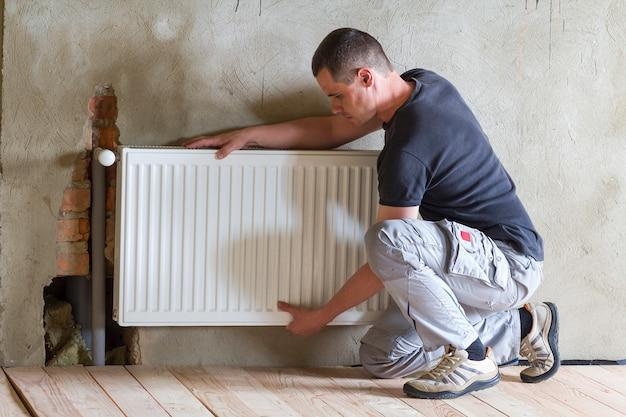
Warm up Your Home: A Comprehensive Guide to Heating System Installation
Winter is coming, and nothing sounds better than snuggling up next to a toasty warm heater. However, if your current heating system is no longer working efficiently or is past its prime, it may be time to consider a new heater installation. In this comprehensive article, we’ll walk through everything you need to know about replacing or upgrading your home’s heating system. Choosing the Right Type of Heating System The first step in any heating installation project is determining which type of heating system will work best for your home and climate needs. Here are some of the most common options: – Forced Air Systems: Forced air systems, which include gas furnaces and heat pumps, are the most popular choice for home heating. Gas furnaces involve a gas heating source and blower to circulate warm air through vents. Heat pumps can also act as air conditioners in warmer weather heating installations. Maintenance is moderate, and they provide even heating throughout the home. Boilers: For larger homes, especially in colder climates, a boiler system may be a better choice than a forced air unit. Boilers involve heating water in a storage tank which is then circulated through radiators or a radiant floor heating system. Boiler maintenance is more involved than other options. Electric Baseboards: Simple to install electric baseboards to heat individual rooms directly. They provide flexible zone control but operate on electricity so running costs can be high. Best as a supplement to another main system. Fireplace Inserts: An insert installed in an existing masonry fireplace can add ambiance and supplemental heat. Best used with another main heating source given limited heat output. Require chimney cleaning. Portable Space Heaters: Ideal for occasional spot heating of a single room but not sufficient as a whole-home solution due to high energy use. Only use approved, plug-in electric models indoors. Consider factors like your home size, existing ductwork or hydronic lines, energy costs, and desired level of control when selecting the optimal system for your heating installation needs. A professional HVAC contractor can help evaluate your options. Preparing for Heater Installation To prepare for a heating installation, follow these steps: Check with your local building department for permits to ensure safety. Take accurate measurements of room dimensions, existing equipment, and electric/gas line routes. Provide information to contractors for estimates. Schedule the installation, including inspections, and plan to be home during work. Prepare for removals of old systems if replacing equipment. Upgrade your home’s electrical panel or add new circuits if needed. Get competitive quotes to determine project costs before committing to a contractor. By taking time to plan, you can complete the project on time and within budget expectations. Provide timely information to contractors. Expectations for Outcomes Installed systems provide consistent home indoor heating for many years optimizing energy efficiency and expenditures over time. With proper maintenance like seasonal cleaning and tune-ups, the equipment delivers long-term comfort and value investments. Address small issues proactively preventing major replacements down the road through professional oversight. Quality HVAC contractor installations set families up well for upcoming winters. Conclusion In summary, properly sized, thoughtfully installed, and regularly maintained heating systems keep households cozy through all manner of cold weather. By following industry-standard best practices, trusting knowledgeable contractors, and preparing well, homeowners make sound investments in long-lasting, dependable indoor warmth. Reliable heating means enjoying homes freely with safety, efficiency, and peace of mind throughout the chilly seasons ahead.

How to Clean Your Office Furniture with Professional Help?
Office furniture matters a lot because it directly impacts the workspace’s comfort, productivity, and atmosphere. Comfortable and functional furniture can prevent fatigue, boost morale, and make a positive impression on clients. It also reflects the company’s values and culture, contributing to a sense of identity among employees. Investing in quality office furniture is essential for creating a conducive and successful work environment. From desks and chairs to sofas and conference tables, office furniture sees a lot of use and can quickly accumulate dirt, dust, and stains. But fear not—professional cleaners are here to help! Let’s explore how you can keep your office furniture clean and fresh with the assistance of commercial cleaners. Commercial Cleaners Services for Office Furniture 1.Upholstery Cleaning Upholstered office furniture, such as chairs and sofas, requires special care to keep it clean and looking its best. You can get the help of rug cleaning company who have the expertise and equipment to safely and effectively clean upholstery, removing stains and odours without damaging the fabric. Commercial cleaners offer thorough cleaning solutions specifically tailored to office furniture. They know how to treat different materials, whether fabric, leather, wood, or metal, ensuring that each piece of furniture is properly cleaned and maintained. Tips for Keeping Your Office Furniture Clean and Fresh Now that we’ve covered the services offered by commercial cleaners let’s discuss some tips for maintaining clean and fresh office furniture between professional cleanings: Dust and dirt can quickly accumulate on office furniture, so it’s important to dust and vacuum regularly to keep things clean. Use a soft cloth or feather duster to gently remove dust from surfaces, and use a vacuum with a brush attachment to clean upholstery and crevices. Schedule regular professional cleanings for your office janitorial solutions to ensure they stay clean, fresh, and in good condition. Professional cleaners have the knowledge, experience, and equipment to effectively clean and maintain all types of office furniture, prolonging their lifespan and appearance. Deal with spills and stains as soon as they occur to prevent them from setting in. Blot spills with a clean cloth to absorb excess liquid, then gently clean the affected area with a mild detergent and water. Avoid using harsh chemicals or abrasive cleaners, as they can damage the fabric or finish of your furniture. Consider using protective covers or mats to prevent damage to your office furniture. For example, place coasters under drinks to prevent water rings on desks or tables, and use chair mats to protect floors from scratches and wear caused by rolling chairs.

Tips For Planning A Memorable Birthday Party
Organizing a birthday party for a child may be thrilling, but on the other hand overwhelming too. However, if you use a little bit of imagination, you can cool down the preparation of this day step by step. Here are definitely some ideas about how to make kids’ birthday parties more fun for everyone. Pick a Creative Theme The most important part is after the theme for the party has been chosen, execution is the next step as that is what determines the way the children enjoy their party in this case. It could be a movie, favorite characters, or just a color that stands out; a theme carries everyone and everything in one direction. If your child is really into dinosaurs, you can convert your garden into a Jurassic park. Prepare for Group Fun Activities Children are very active, and so they require proper entertainment. Picture some activities in regard to the age grouping and the theme. For toddlers, face painting, a bubble station or a simple treasure hunt are enjoyable. A do-it-yourself craft section where older kids decorate their own party favors would be a good option. You could also consider other activities to make the mood match with the theme. Let the Imagination Flow for the Birthday Cake The birthday cake is one of the most important items in kids birthday parties. The themed cakes are often loved by children. For example, if you are hosting a princess birthday party, you can wow the guests with a cake in the shape of a castle or decorated with all edible glitter. On the contrary, if your child is a fan of the solar system, you can have a cake for the 3-year-old that looks like a planet or rocket. There is no need to panic if you are not a baker. Most bakeries will be able to make a cake and will follow whatever design goes with the theme. Send Out Imaginative Invites Invitations are the beginning of some event, and an opportunity for the organizer to communicate with the guests through words. Do not just purchase ready-made invitations, how about creating something different to send out? For example, if you are having a superhero party, go for comic book style invitations. Or, for a take, let the invitees have a carnival and send out carnival invitation cards in the shape of admission tickets. If time is not on your side, electronic invitations are also fit for your theme and can be sent together with a personal message. Make sure to include treats for the kids It is well known that every child’s birthday has goodie bags at the end of the party. They are these small gifts people carry with them as a form of appreciation for coming to the party. Add confetti, and candy. Take candy out of the bags and think of something relevant to your theme instead. If you have set a jungle theme for instance you might take animal figurines, stickers and a plush toy. It’s important to remember that throwing a kid’s birthday party doesn’t have to bring a lot of stress. With these handful of ideas, you can make a celebration that will not only be enjoyable but will also be memorable for years ahead. More importantly, always concentrate on what the child cherishes most and plan the day around it. Their beaming faces are all the reward you will ever need.

How to Choose the Right Construction Equipment for the Job
Choosing the right construction equipment can make or break a project. If you get it right, you can finish your job efficiently and safely. If you get it wrong, you could face delays, higher costs, and even safety issues. Here’s a simple guide to help you pick the best equipment for your needs. Understand Your Project Requirements The first step is to clearly understand what your project involves. Are you digging, lifting, hauling, or something else? Knowing the specifics will help you determine what kind of equipment you need. For example, if you need to dig in tight spaces, a mini excavator hire might be the perfect choice. These compact machines are great for maneuvering in small areas while still being powerful enough for many tasks. Consider the Size of the Equipment Equipment comes in various sizes. Using the right size is crucial for efficiency and safety. Larger machines might be tempting for their power, but they can be overkill for small tasks and difficult to maneuver in tight spaces. Conversely, smaller machines might not have the capacity needed for bigger jobs. For large-scale projects like moving tons of dirt or materials, you might need Bulk Hauling services to transport everything effectively. Evaluate the Terrain Different equipment handles different types of terrain. If you’re working on rocky or uneven ground, you’ll need equipment designed to handle such conditions. For smooth surfaces, you might not need heavy-duty machines. Consider the terrain and choose equipment that can perform well in those conditions. Check the Equipment’s Condition Whether you’re buying or renting, make sure the equipment is in good condition. Inspect it for signs of wear and tear, and check if it has been properly maintained. Faulty or poorly maintained equipment can lead to breakdowns and delays. If you’re hiring equipment like a mini excavator, ask for its maintenance records and ensure it has been regularly serviced. Think About the Operator Make sure the equipment is suitable for the skills of the operators. Complex machines might require trained operators, while simpler ones can be used by less experienced workers. If your team doesn’t have the expertise, you might need to invest in training or hire operators who are skilled in using the equipment. Factor in the Cost Cost is always a consideration. Evaluate your budget and compare the costs of different equipment options. Don’t forget to include maintenance and operational costs in your budget. Sometimes, renting equipment like a mini excavator can be more cost-effective than buying, especially if you only need it for a short time. Conclusion Choosing the right construction equipment is crucial for the success of any project. By understanding your project needs, considering the size and type of equipment, evaluating the terrain, and factoring in cost and logistics, you can make an informed decision. Don’t forget to check the condition of the equipment and ensure it matches the skills of your operators. Whether you need a mini excavator hire or bulk hauling services, taking these steps will help you get the job done right.

Know the Significance of Services of an Accident Injury Clinic After an Accident
After an auto collision, regardless of how minor, getting a slip and fall, or having an injury at work is quite possibly the most terrible experience that can be envisioned. To avoid this it is important to seek clinical consideration as soon as possible to ensure your well-being. An important resource useful in such situations is an accident injury clinic. This particular piece of writing will look into the implications of such a clinic especially when one is involved in a particular mishap and how it can assist in the process of healing. Why Visit an Accident Injury Clinic? An accident injury clinic works to treat wounds supported by accidents. These clinics have clinical experts who are knowledgeable about diagnosing and overseeing different kinds of wounds. Visiting an accident injury clinic is fundamental since certain wounds may not be quickly evident after an accident. For example, whiplash, blackouts, or delicate tissue wounds probably won’t show side effects immediately however can prompt long-haul health issues on the off chance that are not treated expeditiously. The clinical staff at an accident injury clinic can give a thorough evaluation to distinguish any secret wounds. They utilize particular gear and procedures to analyze conditions that probably won’t be apparent through standard assessments. Early recognition and treatment can forestall difficulties and assist patients with recuperating all the more rapidly. Furthermore, these clinics frequently offer a scope of treatment choices, including exercise-based recuperation, chiropractic care, and agony the board, custom-made to the particular requirements of every patient. The Job of Accident Injury Clinics in Recuperation Accident injury clinics assume an essential part in the recuperation cycle by giving specific consideration and customized treatment plans. These clinics are prepared to deal with different wounds, from minor injuries to additional difficult circumstances, and propose a planned way to deal with recovery. One of the essential advantages of visiting an accident injury clinic is the far-reaching care accessible. The clinic’s healthcare suppliers cooperate to foster a treatment plan that tends to all parts of the injury. This multidisciplinary approach might incorporate exercise-based recuperation to reestablish portability and strength, chiropractic changes by realigning the spine, and agony-the-board methods to ease uneasiness. The objective isn’t just to treat the quick injury but additionally to advance long-haul mending and forestall future issues. Making a Move after an Accident After an accident, it’s normal to feel overpowered and uncertain of the subsequent stages. Nonetheless, making a brief move to look for clinical consideration is vital for your health and prosperity. It can be affirmed that coming to an accident injury clinic ensures that you are taken through appropriate treatment and care in the event of sustaining injuries. Conclusion Accidents can altogether affect your health and prosperity, however, visiting an accident injury clinic can assist you with recuperating. These clinics give particular consideration, early determination, and extensive treatment plans customized to your particular necessities. They additionally help with fundamental documentation for protection claims, making the recuperation cycle smoother.