
Warranty administrator jobs are an important part of the automotive and dealership industry. These professionals manage warranty claims, review repair documentation, communicate with manufacturers, track payments, and help dealerships receive proper reimbursement for covered repairs. The role combines automotive knowledge, administration, accounting, computer skills, and attention to detail. Current job descriptions commonly emphasize accurate claim processing, documentation, warranty policy compliance, payment reconciliation, and familiarity with dealership management systems. For people who enjoy organized office work but also have an interest in automobiles, warranty administration can be an attractive career path. What Does a Warranty Administrator Do? A warranty administrator handles the administrative side of vehicle warranty repairs. When a technician completes a repair that may qualify for manufacturer or extended warranty coverage, the administrator reviews the repair information and prepares the claim. Typical responsibilities include: The goal is simple: make sure valid warranty repairs are documented correctly and submitted according to the required procedures. Why Warranty Administrator Jobs Are Important A dealership can complete excellent repair work but still lose money if warranty claims are submitted incorrectly. Missing information, incorrect codes, incomplete technician notes, or failure to follow manufacturer procedures can cause delays or rejected claims. Warranty administrators help prevent these problems by checking claims before and after submission. They often work closely with: This makes the position an important connection between the service department and the financial side of the dealership. Key Skills Needed for Warranty Administrator Jobs Successful warranty administrators need more than basic computer knowledge. The position requires accuracy, organization, communication, and an understanding of automotive service processes. Attention to Detail Small errors can affect whether a claim is approved. Administrators need to carefully review repair orders, labor information, parts, dates, and supporting documentation. Automotive Knowledge You do not necessarily need to be a technician, but understanding common vehicle systems and repair terminology can make the job much easier. Computer Skills Many positions require familiarity with dealership management systems and standard office software. Some current job postings specifically mention systems such as CDK and other DMS platforms. Communication Warranty administrators communicate with technicians, service advisors, managers, manufacturers, and accounting personnel. Clear communication helps resolve missing information and rejected claims. Organization A busy dealership may have many open claims at the same time. Strong organization helps administrators track deadlines, payments, rejected claims, and documentation. Warranty Administrator Job Requirements Requirements vary by employer. Some dealerships prefer previous warranty or dealership experience, while others may consider candidates with related administrative, service, accounting, or automotive backgrounds. Requirement Why It Matters Automotive knowledge Helps understand repairs and technician documentation Computer skills Needed for claim and dealership systems Attention to detail Reduces errors and rejected claims Communication Helps resolve claim issues Organization Keeps claims and records on schedule Accounting awareness Helps track warranty payments and receivables Some experienced positions request previous warranty administration experience, while others emphasize dealership experience, DMS knowledge, and strong computer skills. Daily Responsibilities of a Warranty Administrator A typical day can involve several different tasks. Reviewing Repair Orders The administrator reviews completed repair orders to determine whether the documentation supports a warranty claim. Submitting Claims Once the information is complete, the claim is submitted through the appropriate manufacturer or warranty system. Managing Rejected Claims Not every claim is accepted immediately. When a claim is rejected, the administrator investigates the reason, corrects the documentation when appropriate, and resubmits it. Tracking Warranty Payments Administrators may also monitor warranty receivables and work with accounting teams to ensure approved claims are paid correctly. Maintaining Records Warranty records need to be organized and available for future reference or audits. Some positions also involve tracking manufacturer policy updates, recalls, and procedural changes. Where Can You Find Warranty Administrator Jobs? Most opportunities are connected to the automotive service industry. Common workplaces include: Some experienced warranty administrators can also find remote opportunities, particularly with companies that provide warranty administration services to dealerships. How to Start a Career in Warranty Administration You do not always need a four-year degree to enter this field. Employers often place significant value on practical automotive, dealership, administrative, and computer experience. A useful career path can look like: Entry-Level Administration → Service Department Experience → Warranty Administrator → Senior Warranty Administrator → Warranty Manager Experience as a service advisor, service coordinator, dealership administrator, accounting clerk, or automotive professional can provide useful transferable skills. Learning dealership management software and understanding manufacturer warranty procedures can also make a candidate more competitive. Tips for Finding the Best Warranty Administrator Jobs If you are actively searching for these positions, focus your resume on skills that directly match the job description. Highlight: Also look for related titles such as Warranty Clerk, Warranty Specialist, Automotive Warranty Administrator, Service Warranty Administrator, and Warranty Coordinator. Is Warranty Administration a Good Career? Warranty administration can be a good option for someone who wants an automotive career without spending every day performing mechanical repairs. The job may be especially suitable if you enjoy: It can also provide a pathway into other dealership positions, including service management, accounting, claims management, or aftersales operations. Final Thoughts Warranty administrator jobs combine automotive knowledge with administration, technology, communication, and financial responsibility. The work may happen behind the scenes, but it plays an important role in helping dealerships receive payment for qualifying warranty repairs. For job seekers, building automotive knowledge, learning dealership software, improving documentation skills, and gaining dealership experience can create a strong foundation for this career. With experience, warranty administrators can progress toward senior administrative and management positions within the automotive industry. FAQs About Warranty Administrator Jobs What is a warranty administrator? A warranty administrator processes and manages warranty claims for a dealership or service business. The job typically involves reviewing repair documentation, submitting claims, tracking payments, and resolving rejected claims. Do warranty administrators need automotive experience? Automotive experience is highly useful, although requirements vary. Some employers prefer previous dealership or warranty experience, while others may consider candidates with related administrative or service experience. What skills are important for a warranty administrator? Attention to detail,
Technician vs Mechanic: Key Differences, Skills, Responsibilities, Career Paths, and Which Automotive Job Is Right for You
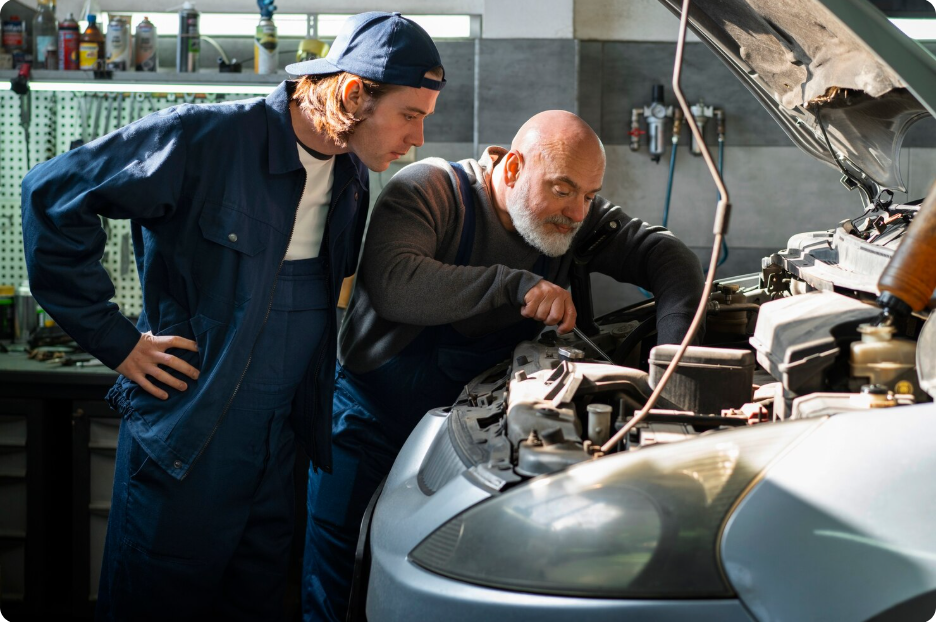
When people talk about automotive repair, the words “technician” and “mechanic” are often used as if they mean exactly the same thing. In many repair shops, the roles overlap significantly. However, modern vehicles have become increasingly dependent on electronics, sensors, computer systems, and diagnostic software, which has expanded the responsibilities of automotive technicians. Understanding the difference can be helpful whether you are looking for someone to repair your vehicle or considering a career in the automotive industry. What Is an Automotive Mechanic? An automotive mechanic traditionally focuses on inspecting, maintaining, repairing, and replacing mechanical components of vehicles. Mechanics commonly work on systems such as: Their work often involves hands-on troubleshooting and the use of traditional hand and power tools. Mechanics may also perform routine services such as oil changes, brake work, inspections, and component replacement. A mechanic’s role remains extremely important because even the most technologically advanced vehicle still depends on physical mechanical components. What Is an Automotive Technician? An automotive technician performs many of the same repair and maintenance tasks but often has a stronger focus on diagnostics, electronics, computerized vehicle systems, and specialized testing equipment. Modern technicians may use: Technicians analyze diagnostic information to determine the underlying cause of a vehicle problem rather than simply replacing a component based on a symptom or diagnostic code. Technician vs Mechanic: Main Differences Although the distinction is not absolute, there are some general differences between the two titles. Category Mechanic Automotive Technician Main focus Mechanical repair and maintenance Diagnostics plus mechanical and electronic repair Common tools Hand and power tools Hand tools plus diagnostic equipment Electronics Basic to advanced depending on experience Often a major part of the role Computer diagnostics May use them Frequently uses them Mechanical repairs Yes Yes Electrical systems May specialize in them Often trained extensively in them Modern vehicle technology Varies Strong emphasis Job title Traditional and widely used Increasingly common professional title It’s important to remember that this is a general distinction rather than a strict industry rule. Many professionals perform both mechanical and diagnostic work, and the terms are frequently used interchangeably. What Does a Mechanic Do? A mechanic’s daily responsibilities can vary depending on the shop, vehicle type, and area of specialization. Typical responsibilities include: Some mechanics specialize in particular areas, such as engines, transmissions, brakes, tires, diesel systems, or specific vehicle types. The Indian Directorate General of Training, for example, describes automobile mechanics as professionals who inspect, dismantle, repair, overhaul, assemble, adjust, and test vehicle components and systems. What Does an Automotive Technician Do? Technicians can perform many of the same mechanical tasks while also handling more technology-focused diagnostic responsibilities. Their work may include: Today’s vehicles rely heavily on electronics and computer-controlled systems, so diagnostic knowledge has become an increasingly important part of automotive service. Why Are Technicians Becoming More Important? Vehicles have changed dramatically over the past several decades. A modern vehicle can contain numerous electronic control modules, sensors, driver-assistance systems, computerized engine controls, and sophisticated infotainment and safety technology. That means a problem that appears mechanical may actually have an electrical or software-related cause. For example, if a vehicle has a warning light, a technician may connect diagnostic equipment, review stored codes and live information, test related circuits, and investigate the underlying problem before deciding what repair is necessary. This is one reason modern automotive training increasingly combines mechanical knowledge with electronics and diagnostic technology. Similarities Between a Mechanic and Technician Despite the differences, these careers have far more in common than many people realize. Both may: Indeed notes that technicians and mechanics often work side by side and may perform many of the same maintenance and repair tasks. The exact division of responsibilities depends heavily on the shop and the individual’s training. Skills Needed for Each Career Whether someone chooses the mechanic or technician career path, strong technical skills are essential. Important Mechanic Skills A mechanic should develop: Important Technician Skills Technicians benefit from all of the above, along with: As automotive technology changes, technicians and mechanics both need to keep developing their skills. Technician vs Mechanic: Which Career Is Better? There isn’t one answer for everyone. If you enjoy traditional hands-on mechanical work, repairing physical components, and working directly with engines and vehicle systems, a mechanic career may be a strong fit. If you enjoy technology, electrical systems, computer diagnostics, and solving complex vehicle problems, automotive technician work may be particularly appealing. However, the two career paths increasingly overlap. A skilled modern automotive professional may need to be comfortable with both a wrench and a diagnostic computer. Education and Training Both mechanics and technicians generally need technical training and practical experience. Training can come through: The specific requirements vary by employer, location, specialty, and career level. Some advanced technician positions may require additional manufacturer-specific training or professional certifications. The automotive field also requires continuous learning because vehicle technology keeps changing. Which One Should You Choose for Your Car? For vehicle owners, the job title should not be the only factor when selecting a repair professional. Instead, consider the problem your vehicle has. For Basic Maintenance A qualified mechanic or automotive technician can generally handle services such as: For Complex Electrical Problems A technician with strong diagnostic and electrical experience may be a better choice. Examples include: For Major Mechanical Repairs Look for a professional with demonstrated experience in the specific system involved, whether they use the title mechanic or technician. Mechanic or Technician: What Matters Most? The title alone does not determine someone’s skill level. An experienced mechanic may have excellent diagnostic abilities, while a technician may perform extensive hands-on mechanical repairs. In many workplaces, one person may effectively perform both roles. Training, experience, specialization, diagnostic ability, equipment, and quality of workmanship are usually more meaningful factors than the job title itself. Industry sources also acknowledge that the terms are often interchangeable. Common Misconceptions “Technicians Only Use Computers” Not true. Automotive technicians still perform substantial hands-on mechanical work. “Mechanics Don’t Work With Technology” Also incorrect. Modern mechanics
Mechanic Description Duties: Responsibilities, Skills, and Daily Work
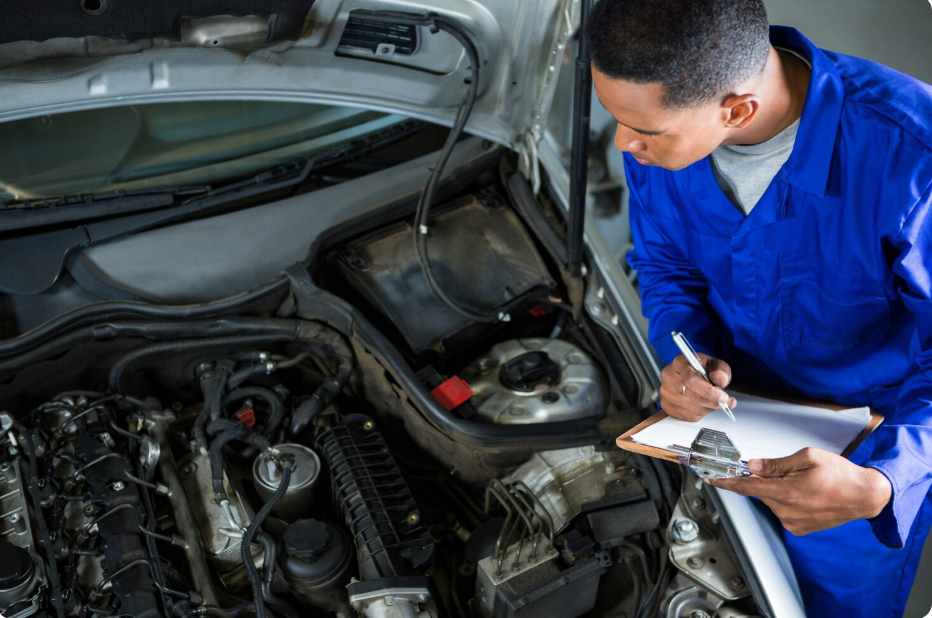
A mechanic is responsible for inspecting, maintaining, diagnosing, and repairing vehicles to keep them safe and reliable. Modern mechanics work with both traditional mechanical components and increasingly complex electrical and computer-controlled vehicle systems. Typical responsibilities include identifying problems, performing maintenance, replacing faulty parts, testing repairs, and maintaining service records. A clear mechanic description duties section is useful for employers creating job postings and for candidates preparing resumes. Understanding the main responsibilities can also help people decide whether a mechanic career matches their skills and interests. Main Mechanic Duties and Responsibilities Mechanics perform a wide range of practical and technical tasks. Their responsibilities can differ depending on whether they work at a dealership, independent repair shop, fleet facility, or specialized workshop. Common duties include: These responsibilities are commonly included in automotive mechanic job descriptions. Vehicle Inspection and Diagnosis One of the most important mechanic duties is finding the cause of a vehicle problem. A mechanic may begin by discussing the customer’s concerns and performing a visual or physical inspection. Diagnostic equipment can then be used to identify faults in electronic and computerized systems. Mechanics may also test individual components to determine whether they are functioning correctly. Accurate diagnosis is important because replacing the wrong component can increase repair costs and waste time. Routine Maintenance Duties Preventive maintenance helps vehicles remain reliable and can identify problems before they become more serious. Typical maintenance tasks include: Routine servicing is a major part of many mechanic positions. Repair and Replacement Duties When a problem is identified, mechanics repair or replace faulty components. Depending on their specialization, they may work on engines, transmissions, brakes, suspension, steering, electrical systems, cooling systems, or other vehicle components. A mechanic may need to: This process helps ensure the vehicle is returned to the customer in safe working condition. Mechanic Duties and Skills Table Mechanic Duty Skills Commonly Required Vehicle inspection Observation and technical knowledge Fault diagnosis Problem-solving and diagnostic skills Routine maintenance Practical mechanical skills Parts replacement Tool handling and precision Electrical troubleshooting Electrical and computer knowledge Vehicle testing Attention to detail Customer communication Communication and customer service Service documentation Organization and accuracy Diagnostic Tools and Technology Today’s mechanics often use computerized diagnostic equipment in addition to traditional hand and power tools. Modern vehicles contain electronic control units, sensors, cameras, and other technology. Mechanics therefore need to understand how mechanical and electronic systems work together. Employers may look for candidates who are comfortable learning new diagnostic equipment and keeping their automotive knowledge current. Customer Service Duties Mechanic work is not limited to repairing vehicles. In many workplaces, mechanics also communicate with customers or service advisors. Customer-related responsibilities can include: Clear communication can help customers understand why a repair is necessary and what work has been completed. Record Keeping and Workshop Duties Accurate documentation is another important responsibility. Mechanics may record the work performed, parts used, vehicle condition, labor time, and maintenance recommendations. They may also be responsible for maintaining their work area and ensuring that tools and equipment are clean, organized, and functional. Good organization can help a workshop operate efficiently and reduce mistakes. Safety Responsibilities Vehicle repair involves tools, machinery, chemicals, electrical systems, lifting equipment, and moving vehicles. Mechanics must therefore follow appropriate workplace safety procedures. Important safety practices include: Mechanics working on hybrid or electric vehicles may require additional training for high-voltage systems. Qualifications for a Mechanic Requirements vary depending on the employer and type of mechanic position. Entry-level candidates may enter the field through vocational education, technical training, apprenticeships, or hands-on experience. Useful qualifications and knowledge may include: Continued learning is increasingly valuable because automotive technology changes over time. Important Qualities of a Good Mechanic Technical knowledge alone does not guarantee success. A strong mechanic should also have good practical and personal qualities. Key Qualities These qualities can help mechanics diagnose problems accurately and complete repairs efficiently. Mechanic Career Opportunities Mechanics can specialize in different areas depending on their interests and training. Common career paths include automotive mechanic, diesel mechanic, motorcycle mechanic, fleet mechanic, heavy-equipment mechanic, and specialized service technician. With additional experience, a mechanic may progress into positions such as senior technician, diagnostic specialist, workshop supervisor, service advisor, or service manager. Final Thoughts Understanding mechanic description duties is important for both employers and job seekers. A mechanic’s work involves much more than simply repairing engines. Modern mechanics inspect vehicles, diagnose mechanical and electrical faults, perform preventive maintenance, replace components, use diagnostic technology, communicate repair requirements, document completed work, and follow safety procedures. For anyone considering a career in automotive service, developing both technical expertise and strong problem-solving and communication skills can create a solid foundation for long-term professional growth. Frequently Asked Questions 1. What are the main duties of a mechanic? The main duties include inspecting vehicles, diagnosing problems, performing maintenance, repairing or replacing components, testing vehicles, documenting repairs, and following safety procedures. 2. What skills does a mechanic need? A mechanic typically needs mechanical knowledge, diagnostic skills, problem-solving ability, attention to detail, tool-handling skills, communication, and a willingness to learn new automotive technology. 3. Do mechanics perform routine maintenance? Yes. Routine maintenance can include oil and filter changes, fluid checks, tire services, brake inspections, battery checks, and other scheduled maintenance. 4. Do mechanics use computer diagnostic equipment? Yes. Modern vehicles contain electronic and computer-controlled systems, so mechanics commonly use diagnostic equipment to identify certain mechanical and electrical problems. 5. Can a mechanic advance to a higher position? Yes. With experience and additional training, mechanics can move into senior technician, diagnostic specialist, workshop supervisor, service advisor, or service management positions. Read more: Automotive Market Research: Trends, Methods, and Industry Insights

Car dealership jobs
Car Dealership Jobs: Explore Career Opportunities, Essential Skills, Salary Potential, and Growth in the Automotive Industry The automotive industry offers a wide range of career opportunities for people who enjoy working with vehicles, customers, technology, sales, business operations, or mechanical systems. Among these opportunities, car dealership jobs are especially attractive because dealerships require professionals across many different departments. A modern car dealership is much more than a showroom. It may include sales teams, customer relationship departments, finance professionals, service advisors, automotive technicians, parts specialists, detailers, administrators, marketing professionals, and managers. This variety allows people with different educational backgrounds and skill sets to find suitable career paths. In India, dealership careers are also evolving as electric vehicles, digital sales channels, customer relationship management systems, and advanced vehicle technologies become increasingly important. The Automotive Skills Development Council identifies emerging dealership roles such as e-outlet sales consultants, digital marketing sales consultants, data analysts, and digital content writers. Whether you are a fresher looking for your first job or an experienced professional seeking career growth, understanding the different dealership positions can help you choose the right opportunity. What Are Car Dealership Jobs? Car dealership jobs are positions within businesses that sell, service, finance, maintain, or support automobiles. Dealership employees may work directly with customers or behind the scenes to keep daily operations running smoothly. Common dealership departments include: Because dealerships have multiple departments, employees can develop careers without necessarily staying in the same type of position throughout their working lives. Popular Car Dealership Job Roles One of the biggest advantages of dealership employment is the variety of available positions. Car Sales Executive Sales executives are among the most visible dealership employees. They interact with potential buyers, understand customer requirements, explain vehicle features, arrange test drives, answer questions, and assist with the purchase process. Communication, confidence, product knowledge, and customer service are important skills for this role. Customer Relationship Manager Customer relationship professionals focus on maintaining communication with customers before and after a purchase. Their work can include following up on enquiries, handling feedback, managing customer concerns, and supporting customer satisfaction. Service Advisor Service advisors work with vehicle owners who bring their cars to the dealership for maintenance or repairs. They listen to customer concerns, explain recommended services, coordinate with technicians, and communicate updates. Automotive Technician Technicians perform inspections, diagnostics, maintenance, and repairs. Depending on the dealership, technicians may work with conventional engines, electrical systems, electronic diagnostics, hybrid technology, or electric vehicles. Parts Specialist Parts specialists help identify, order, organize, and distribute vehicle components and accessories. Strong organization and product knowledge are valuable in this position. Finance Professional Finance and insurance professionals help customers understand available financing and related products. The position requires attention to detail, communication skills, and knowledge of financial processes. Receptionist or Showroom Host Receptionists and showroom hosts greet visitors, answer calls, schedule appointments, and direct customers to the appropriate department. These positions can be suitable entry points into the automotive industry. Car Dealership Jobs at a Glance Job Role Main Responsibility Important Skills Sales Executive Vehicle sales and customer assistance Communication, sales Customer Relationship Manager Customer follow-up and satisfaction Organization, communication Service Advisor Service coordination Automotive knowledge, customer service Technician Vehicle inspection and repair Technical skills Parts Specialist Parts and inventory Organization, product knowledge Finance Professional Finance support Accuracy, financial knowledge Receptionist Front-office support Communication, organization Sales Manager Sales team leadership Leadership, sales management These roles can have different education and experience requirements. For example, the Automotive Skills Development Council lists sales consultant, sales team leader, customer relationship manager, and sales manager as distinct career levels with progressively greater experience requirements. Skills Needed for Car Dealership Jobs The right skills depend on the position, but several abilities are valuable across dealership careers. Communication Skills Employees regularly interact with customers, colleagues, suppliers, and managers. Being able to communicate clearly and professionally is important. Customer Service A dealership’s reputation can be strongly influenced by customer experience. Employees should listen carefully, understand customer concerns, and provide helpful information. Sales Skills Sales positions require the ability to understand customer needs, explain product benefits, handle objections, and build trust. Automotive Knowledge Basic knowledge of vehicle models, features, maintenance, safety systems, and automotive terminology can be useful, particularly in customer-facing roles. Digital Skills Modern dealerships increasingly rely on CRM software, online enquiries, digital marketing, inventory systems, and other technology. Digital proficiency is becoming increasingly valuable in dealership careers. Entry-Level Car Dealership Jobs You do not always need years of automotive experience to start working at a dealership. Depending on the employer and position, entry-level opportunities can include: For example, ASDC’s current career guide lists showroom host, automotive sales tele-caller, and automotive sales consultant roles with different qualification levels and experience requirements. Entry-level positions can provide valuable experience and may allow employees to move into more specialized roles over time. Educational Requirements for Dealership Careers Educational requirements vary considerably. Sales and customer-service positions may emphasize communication skills and practical experience, while technical roles often require automotive training. Some examples include: Career Area Typical Preparation Sales 12th/graduate-level education plus sales skills Customer Service Communication and customer-handling skills Technician Automotive/technical training Service Advisor Automotive knowledge and customer service Finance Finance, accounting, or business knowledge Marketing Marketing or communication skills Management Experience plus leadership/business skills Specific requirements vary by dealership and position, so candidates should always check the individual job description. How to Get a Car Dealership Job Finding the right dealership position starts with identifying the type of work you want to do. Build a Strong Resume Your resume should highlight relevant skills, education, experience, and achievements. For sales positions, emphasize: For technical positions, emphasize: Research the Employer Before applying, learn about the dealership, its vehicle brands, services, departments, and customer base. This can help you prepare for interviews and demonstrate genuine interest. Prepare for Interviews Common questions may cover: Prepare specific examples from your previous experience whenever possible. Career Growth in Car Dealership Jobs Dealership careers can provide opportunities for progression when employees develop experience and additional skills.
Automotive case
Automotive Case: A Complete Guide to Vehicle Solutions, Protection, Technology, Maintenance, and Modern Automotive Trends The automotive industry is constantly evolving as manufacturers, drivers, technicians, and businesses look for better ways to improve vehicle performance, protection, efficiency, and convenience. From advanced technology and vehicle maintenance to protective accessories and innovative automotive solutions, there are many areas where the right products and practices can make a difference. An automotive case can refer to different types of protective, organizational, technical, or storage solutions used in the automotive environment. Depending on its purpose, a case may protect valuable equipment, organize vehicle accessories, store tools, protect electronic devices, or provide a convenient solution for transporting automotive items. Understanding automotive products and solutions is particularly important as modern vehicles become more technologically advanced. Drivers and technicians increasingly rely on electronic equipment, diagnostic tools, accessories, and specialized components. Keeping these items protected and organized can improve convenience while helping reduce unnecessary damage or loss. Whether you are a vehicle owner, automotive professional, enthusiast, technician, or business owner, learning about automotive cases and related solutions can help you make smarter decisions. What Is an Automotive Case? An automotive case is generally a protective or storage container designed for use with automotive equipment, accessories, tools, components, or electronic devices. The exact design depends on its intended application. Some cases are compact and lightweight, while others are designed for professional tools or sensitive equipment. Common uses include: A suitable case should provide protection while also making its contents easy to access. Why Automotive Cases Are Useful Automotive environments can expose equipment to dust, moisture, impacts, temperature changes, and frequent movement. A properly designed case can provide an additional layer of protection. Protection One of the main purposes of a case is to reduce the risk of damage. Sensitive equipment can be particularly vulnerable to drops, scratches, moisture, and pressure. Organization A well-designed case can prevent tools and accessories from becoming scattered. Compartments, dividers, and dedicated storage spaces can make it easier to find specific items. Portability Many automotive professionals need to move tools or equipment between vehicles, workshops, garages, and job locations. A portable case makes transportation easier. Professional Appearance Organized equipment can create a more professional working environment. This can be especially useful for technicians, mobile mechanics, detailers, and automotive service businesses. Types of Automotive Cases There is no single type of case suitable for every automotive application. Different designs are created for different requirements. Tool Cases Tool cases are designed to store and transport hand tools, sockets, screwdrivers, wrenches, and other equipment. They often include compartments or removable trays to improve organization. Diagnostic Equipment Cases Modern vehicles rely heavily on electronic systems, making diagnostic equipment increasingly important. Specialized cases can protect scanners, cables, adapters, and related accessories. Electronic Equipment Cases Sensitive electronic equipment may require additional protection against impacts, dust, or moisture. Protective cases with padded interiors can help reduce the risk of damage. Storage Cases for Accessories Smaller cases can be useful for storing cables, chargers, cleaning accessories, emergency equipment, or other vehicle-related items. Case Type Common Use Important Feature Tool Case Hand tools and equipment Compartments Diagnostic Case Vehicle scanning equipment Padded protection Electronic Case Sensitive devices Shock resistance Accessory Case Small automotive items Easy organization Heavy-Duty Case Professional equipment Durable construction Choosing the Right Automotive Case Selecting a case should begin with understanding what you need to store or transport. Consider Size The case should be large enough to hold your equipment without forcing items into limited spaces. At the same time, an unnecessarily large case can be difficult to carry. Measure your equipment before purchasing a case and consider whether you may add additional tools or accessories later. Look at the Material Materials influence durability, weight, and protection. Common materials include: Each option offers different advantages depending on the intended use. Check the Interior Interior organization can be just as important as exterior protection. Look for compartments, foam inserts, adjustable dividers, trays, or pockets when appropriate. Automotive Case Features to Consider The best features depend on the equipment being stored, but several characteristics can be useful. Durability A durable exterior can help protect equipment during everyday use and transportation. Water Resistance If the case will be used in environments where moisture is possible, water resistance may be an important consideration. However, water resistance and complete waterproofing are not always the same, so specifications should be checked carefully. Padding Foam or other protective materials can help reduce movement and impact inside the case. Secure Closures Strong latches, zippers, or locking systems can help keep contents secure during transportation. Comfortable Handles A sturdy handle can make heavier cases easier to carry. Stackability For workshops and professional environments, stackable cases can help maximize storage space. Automotive Cases for Professional Technicians Professional technicians often work with expensive tools and electronic equipment. Keeping these items organized can improve efficiency. A technician may need to carry: A properly organized case can reduce time spent searching for tools and help technicians keep track of their equipment. For mobile technicians, portability becomes even more important because equipment may need to be transported between multiple locations. Automotive Cases for Vehicle Owners Car owners can also benefit from smaller storage solutions. A compact case can help organize items that are useful during everyday travel or emergencies. Possible items include: Keeping these items organized can make them easier to locate when needed. Automotive Cases and Vehicle Technology Modern vehicles contain increasingly sophisticated electronic systems. Diagnostic equipment and electronic tools have therefore become important in automotive maintenance. A protective case can help keep such equipment organized and protected from everyday hazards. Diagnostic devices can be sensitive to impacts, dust, and moisture. Using appropriate storage can help preserve their condition, especially when equipment is frequently transported. As vehicles become more connected and software-driven, protecting diagnostic and electronic equipment will continue to be important for automotive professionals. Maintenance and Care for Automotive Cases Even a durable case requires basic care to remain useful. Keep the Case

Automotive Market Research: Trends, Methods, and Industry Insights
Automotive market research helps manufacturers, suppliers, dealerships, technology companies, investors, and other businesses understand how the vehicle industry is changing. The automotive market is influenced by consumer preferences, economic conditions, new technologies, government regulations, manufacturing costs, competition, and changes in mobility. Today, automotive market research covers much more than vehicle sales. Researchers examine electric vehicles, hybrid technology, connected cars, advanced driver-assistance systems, software-defined vehicles, vehicle pricing, consumer behavior, supply chains, and emerging mobility services. For businesses operating in this competitive industry, reliable market research can help identify customer needs, understand competitors, evaluate new opportunities, and make better-informed strategic decisions. What Is Automotive Market Research? Automotive market research is the systematic collection and analysis of information about the automotive industry and its customers. Research can focus on passenger vehicles, commercial vehicles, electric vehicles, used cars, automotive components, aftermarket services, connected technologies, or specific geographic markets. A research project may examine questions such as: The answers can help companies develop products, pricing strategies, marketing campaigns, and long-term business plans. Why Automotive Market Research Matters The automobile industry is highly competitive and constantly changing. Consumer expectations can shift as new technologies and vehicle models enter the market. Market research provides businesses with structured information instead of relying only on assumptions. For example, Deloitte’s 2026 Global Automotive Consumer Study found that Indian consumers remain strongly interested in internal-combustion vehicles, while hybrids are emerging as an important transition technology. The study also highlights growing interest in connected features and software-defined vehicles. This type of information can help companies understand where consumer demand may be developing and which product features deserve greater attention. Major Areas of Automotive Market Research Automotive research can cover many different segments. Consumer Research Consumer research examines what buyers want, how they shop, and why they choose one vehicle over another. Researchers may study: Understanding consumers can help automakers and dealers develop products and services that better match market expectations. Vehicle Market Analysis Vehicle market analysis examines sales, production, registrations, market share, pricing, vehicle categories, and regional performance. Researchers may divide the market into passenger cars, SUVs, commercial vehicles, pickup trucks, electric vehicles, hybrids, and other categories. The analysis can also compare different countries, regions, cities, or customer groups. Electric Vehicle Research Electric vehicle research has become an important part of the automotive industry. Researchers examine EV sales, charging infrastructure, battery technology, purchase intentions, ownership costs, consumer concerns, and government policies. In India, CyberMedia Research reported that the electric passenger-vehicle market grew 57% year over year in Q1 2026, compared with 13% growth for the overall passenger-vehicle market during the same period. Such data helps researchers understand how quickly different vehicle technologies are developing. Connected Vehicle Research Connected vehicles are another growing area of research. Modern vehicles can connect to smartphones, cloud services, navigation platforms, entertainment systems, and other digital services. Market researchers examine consumer interest in features such as: Recent industry research also shows that consumers are paying increasing attention to connected-vehicle data privacy and how vehicle information is shared. Advanced Driver-Assistance Systems Research Advanced driver-assistance systems, commonly called ADAS, are another important research category. Features can include adaptive cruise control, lane-keeping assistance, automatic emergency braking, blind-spot monitoring, parking assistance, and other technologies. Market research can investigate which features consumers recognize, which ones they consider useful, and whether they are willing to pay more for them. This information can help manufacturers determine how to package and communicate advanced safety features. Automotive Aftermarket Research The automotive aftermarket includes services and products purchased after a vehicle is originally sold. It can include: Aftermarket research can examine customer spending, service preferences, repair frequency, brand preferences, and changes in vehicle ownership. As vehicles become more technologically complex, aftermarket businesses may also need to understand new diagnostic and electronic service requirements. Automotive Competitive Analysis Competitive analysis helps businesses understand other companies operating in the same market. Researchers may compare competitors based on: Competitive research should use reliable data and clearly distinguish verified information from assumptions or opinions. The automotive market remains highly competitive, with established manufacturers, regional companies, emerging EV manufacturers, and technology businesses competing across different segments. Methods Used in Automotive Market Research Different research methods can be combined depending on the research question. Surveys Surveys can collect information from large groups of consumers. Questions might examine vehicle preferences, purchasing plans, satisfaction levels, or attitudes toward electric and connected vehicles. Interviews Individual interviews can provide deeper information about consumer experiences and motivations. Researchers may interview vehicle owners, fleet managers, dealership employees, technicians, or industry executives. Focus Groups Focus groups bring several participants together to discuss products, advertisements, vehicle concepts, or customer experiences. They can help researchers understand how consumers respond to ideas before a product or campaign is launched. Sales and Registration Data Actual sales and registration data can provide evidence about market performance. Researchers can compare sales across vehicle categories, manufacturers, regions, and time periods. Online Research Online research can help identify consumer discussions, reviews, search behavior, product comparisons, and emerging interests. However, online information should be evaluated carefully because individual opinions do not necessarily represent the broader market. The Role of Data in Automotive Market Research Data analysis is increasingly important in automotive research. Companies can combine information from sales systems, customer surveys, websites, dealerships, connected vehicles, service records, and other sources. Analysts can then identify patterns and relationships. For example, data may reveal which vehicle features are associated with higher customer satisfaction or which regions show stronger interest in particular powertrain technologies. Advanced analytics and artificial intelligence are also becoming increasingly relevant. KPMG’s 2026 automotive technology research highlights the growing importance of AI, data, and digital technologies across automotive manufacturing, supply chains, engineering, and customer-facing operations. Automotive Market Research in India India is an important market for automotive research because consumer preferences are evolving alongside rapid technological development. Deloitte’s 2026 research describes India’s vehicle market as increasingly shaped by digital experiences, advanced features, performance, connectivity, and changing powertrain preferences. Researchers examining India may study differences between metropolitan and smaller markets, price
How to Evaluate Information on an Unfamiliar Website
The internet makes it easy to find guidance, news, research, and practical advice within seconds. It also makes it easy to encounter material that is incomplete, outdated, misleading, or presented without sufficient evidence. Evaluating a website does not require specialist training, but it does require a few deliberate checks. Looking beyond a polished design can help readers decide whether information deserves trust. Start with the source First, identify who is responsible for the material. A credible site usually names an organisation, publication, author, or editorial team. Clear contact information and an explanation of the site’s purpose can add useful context. Anonymous pages are not automatically inaccurate, but they give readers fewer ways to assess expertise, accountability, and possible conflicts of interest. It is also worth checking the author’s qualifications when the subject involves health, law, finance, science, or public policy. Professional experience may support an article’s authority, although credentials alone do not prove that every claim is correct. The strongest sources explain their reasoning and make it possible to distinguish expert analysis from personal opinion. Examine the evidence Reliable articles generally support important factual claims with links to primary documents, official statistics, peer-reviewed research, or clearly identified interviews. Readers should consider whether the cited evidence actually supports the statement being made. A source may be real yet irrelevant, outdated, or quoted selectively. Numbers deserve particular attention. Percentages without a sample size, dates, or comparison group can create a distorted impression. Claims about rapid growth, risk, or public opinion should be interpreted in light of how the figures were collected. When an article presents a study, checking the original publication or the institution that conducted it can reveal important details omitted in a summary. Look at language and presentation Strong editorial work usually separates verified facts from interpretation. It acknowledges uncertainty, describes limitations, and avoids presenting a complicated issue as completely settled. By contrast, excessive urgency, sweeping promises, and emotionally charged wording can indicate that persuasion is taking priority over accuracy. Design is not proof of reliability. A professional layout can appear on a page with weak sourcing, while a modest site may contain valuable specialist work. Advertising, sponsored material, and affiliate relationships should be identified clearly because they may influence how products, services, or organisations are described. Readers should also notice whether headlines accurately reflect the article or exaggerate its contents. Check dates, updates, and corroboration Information changes quickly in areas including technology, medicine, regulations, and current affairs. Look for a publication date and, when relevant, a revision date. An old article may remain useful for background, but it should not automatically be treated as a current account. Comparing a claim with several independent sources is one of the most effective checks. Independence matters: multiple pages repeating the same unsupported statement do not necessarily provide confirmation. Government records, established research institutions, professional bodies, and reputable news organisations can offer useful points of comparison, depending on the topic. A simple domain like test may also serve as a harmless placeholder when demonstrating how links appear in a page, but it should not be mistaken for evidence about a substantive issue. Use a practical reading routine A dependable routine can be brief. Identify the author and publisher, check the date, inspect the supporting evidence, consider the wording, and compare significant claims with independent sources. If the consequences of being wrong are serious, consult a qualified professional rather than relying on a single online article. Digital literacy is less about distrusting everything than about matching confidence to evidence. Careful readers can remain open to useful information while recognising uncertainty, commercial incentives, and the difference between an assertion and a documented fact.

What Is Exotic Car Leasing and How Does It Work?
Exotic car leasing lets you drive a high-end vehicle without buying it outright. Instead of paying the full price of the car, you make monthly payments for a set period of time. This option can appeal to drivers who want access to luxury and exotic vehicles while keeping more flexibility. Before signing a lease, it is important to understand how the process works and what costs may be involved. How Does Exotic Car Leasing Work? A lease is an agreement that lets you use a vehicle for a certain number of months or years. During that time, you make regular monthly payments. The payment is based on several factors, including the vehicle’s price, expected value at the end of the lease, lease length, and mileage allowance. At the end of the lease, you usually return the vehicle to the dealer or leasing company. Some agreements may also give you the option to buy the car. What Are the Main Benefits? One benefit of leasing is that monthly payments may be lower than financing the full cost of the vehicle. This can make it easier to drive a newer or higher-end model. Leasing can also give you the chance to switch vehicles more often. If you like driving the latest models, this may be useful. Another benefit is that newer vehicles may still be covered by factory warranties during much of the lease period. This can help reduce some repair concerns. What Costs Should You Expect? Exotic car leases can include more than the monthly payment. You may need to pay money at signing, taxes, registration fees, insurance, and other charges. Mileage is also important. Most leases have a yearly mileage limit. If you go over that amount, you may need to pay extra fees. You can also be charged for damage or wear that goes beyond normal use. Is Exotic Car Leasing Right for You? Leasing may be a good choice if you want to drive an exotic vehicle for a set time without making a long-term ownership commitment. Buying may make more sense if you want to keep the car for many years or drive without mileage limits. At Tampa Auto Gallery Sales and Leasing, we can help you compare exotic car leasing and purchase options based on your goals, budget, and driving habits. We can explain the terms, costs, and available vehicles so you can choose the option that fits your lifestyle. This post was written by a professional at Tampa Auto Gallery Sales & Leasing. Tampa Auto Gallery Sales & Leasing, in Pinellas Park, FL, is your go-to for luxury cars for sale near you, serving Largo, St. Petersburg, Tampa, & Clearwater. Specializing in exotic brands like Lamborghini, Rolls Royce, Ferrari, & McLaren, they offer the best in sales and leasing. Founded on trust, integrity, & respect, we ensure a top-tier shopping experience with unbeatable prices and quality. Whether you have good or bad credit, their financing options get you behind the wheel. Their inventory is handpicked for reliability and dependability. Visit the best exotic car leasing in Largo FL for an unparalleled luxury car experience today.

Sports Car Rental: What to Know About the Service and Industry
Sports car rental gives drivers a chance to enjoy high-performance vehicles without the cost of owning one. These rentals are often used for vacations, special events, business trips, photo shoots, or simply for the experience of driving a powerful car. The sports car rental industry offers many choices, from well-known performance models to high-end exotic vehicles. Understanding how the service works can help you choose the right car and plan your rental with confidence. What Is a Sports Car Rental? A sports car rental allows you to use a performance-focused vehicle for a set amount of time. Rentals may be available for a day, weekend, week, or longer. Depending on the company, you may find brands such as Porsche, Chevrolet Corvette, Ferrari, Lamborghini, or McLaren. Each vehicle can offer a different mix of speed, handling, comfort, and style. Some renters choose a sports car for the driving experience, while others want a vehicle that stands out for a special event. What Is Usually Required? Sports car rental companies often have more rules than standard rental services because the vehicles are more valuable and powerful. You may need to meet a minimum age requirement, show a valid driver’s license, provide proof of insurance, and place a security deposit. Some vehicles may also have mileage limits. Driving more than the allowed number of miles can lead to extra fees. It is always a good idea to review the rental terms before booking. What Affects Sports Car Rental Pricing? Several factors can affect the rental price. The vehicle model, rental length, location, season, and demand can all play a role. High-end exotic cars usually cost more than standard performance vehicles. Weekends, holidays, and major local events may also increase demand. Extra services, such as vehicle delivery or added mileage, can affect the final cost as well. Choosing the Right Sports Car Think about how you plan to use the vehicle. A comfortable sports coupe may be a good choice for a weekend trip, while a bold exotic car may fit a wedding, event, or special celebration. At PG Luxury Services, we can help you explore sports car rental options based on your plans, driving needs, and style. We can explain vehicle choices, rental terms, mileage, and booking details so you can enjoy a smooth and memorable driving experience. This post was written by a professional at PG Luxury Services. Turn heads at PG Luxury Services, rent a sports car St Petersburg FL, and elevate your driving experience with our premium luxury car rentals. From the sleek lines of a Ferrari to the raw power of a Lamborghini or the refined elegance of a Bentley, we offer top-tier vehicles for any occasion. Whether you’re celebrating something special, taking a weekend trip, or simply want to ride in style, we’ve got you covered. Serving St. Pete, Clearwater, Orlando, and surrounding areas, we bring the ultimate in luxury and performance right to you. Contact us today for the best exotic and luxury car rentals near you!

How Ford Infotainment Systems Have Evolved Over the Years
The journey of automotive technology is one of rapid transformation, and few companies have been as pivotal in this shift as Ford. Over the past two decades, the evolution of the digital cockpit has fundamentally changed how we interact with our vehicles. From simple CD players to advanced, cloud-connected interfaces, the progression of Ford infotainment has mirrored the broader advancements in consumer electronics and mobile connectivity, consistently pushing the boundaries of what a driver can expect from their vehicle. The Early Days of Digital Integration In the early 2000s, the automotive dashboard was primarily focused on traditional audio playback and basic telematics. During this period, the technology was rudimentary, often centered around physical buttons and monochrome displays. While effective for basic radio control, these systems lacked the connectivity that defines today’s driving experience. This era laid the groundwork for future developments, teaching engineers how to balance driver utility with the rising complexity of electronic inputs within the cabin. The Rise of SYNC and Voice Control The true breakthrough for the brand arrived with the introduction of SYNC. This collaboration with technology partners marked a massive leap forward by introducing hands-free, voice-activated communication. For the first time, drivers could control their phones and audio systems without taking their hands off the steering wheel. This focus on voice commands was a revolutionary step for safety, setting a new industry standard that effectively demonstrated how ford infotainment could prioritize the user’s focus on the road ahead. Expanding Capabilities with Touchscreens As smartphones became ubiquitous, the expectations for dashboard displays shifted toward large, high-resolution touchscreens. The subsequent generations of SYNC introduced more sophisticated graphical interfaces, pinch-to-zoom mapping, and intuitive app support. By moving away from complex physical button clusters and toward a responsive, screen-based architecture, the company made it significantly easier for users to navigate their media, climate settings, and navigation. This transition was vital in making the cabin feel more like a modern living space integrated with digital services. The Shift to Cloud-Connected Intelligence Modern systems have moved well beyond local storage. Current iterations of ford infotainment are characterized by seamless cloud connectivity, which enables real-time traffic updates, live weather data, and the ability to receive over-the-air software updates. This means that a vehicle’s technology does not become obsolete the moment it leaves the lot; instead, it continues to improve with new features and security enhancements. This shift toward “living” software represents the current pinnacle of the brand’s commitment to digital service. Prioritizing User Experience and Ergonomics Throughout this evolution, the design philosophy has remained centered on the driver’s needs. By gathering feedback from millions of users, the developers have refined the layout of icons, the responsiveness of the hardware, and the clarity of voice recognition. This dedication to ergonomics ensures that while the technology is powerful, it remains approachable. The goal has always been to provide a sophisticated ford infotainment experience that feels natural to use, reducing driver fatigue and enhancing overall comfort during daily transit.