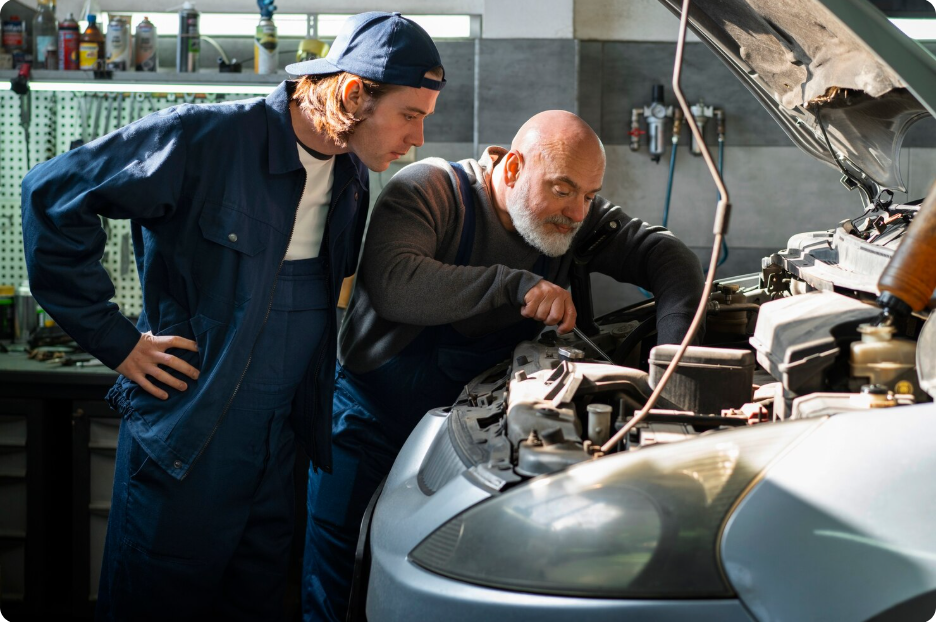
When people talk about automotive repair, the words “technician” and “mechanic” are often used as if they mean exactly the same thing. In many repair shops, the roles overlap significantly. However, modern vehicles have become increasingly dependent on electronics, sensors, computer systems, and diagnostic software, which has expanded the responsibilities of automotive technicians.
Understanding the difference can be helpful whether you are looking for someone to repair your vehicle or considering a career in the automotive industry.
What Is an Automotive Mechanic?
An automotive mechanic traditionally focuses on inspecting, maintaining, repairing, and replacing mechanical components of vehicles.
Mechanics commonly work on systems such as:
- Engines
- Brakes
- Transmissions
- Suspension
- Steering
- Tires
- Cooling systems
- Exhaust components
Their work often involves hands-on troubleshooting and the use of traditional hand and power tools. Mechanics may also perform routine services such as oil changes, brake work, inspections, and component replacement.
A mechanic’s role remains extremely important because even the most technologically advanced vehicle still depends on physical mechanical components.
What Is an Automotive Technician?
An automotive technician performs many of the same repair and maintenance tasks but often has a stronger focus on diagnostics, electronics, computerized vehicle systems, and specialized testing equipment.
Modern technicians may use:
- Diagnostic scan tools
- Vehicle computers
- Digital service information
- Multimeters
- Electronic testing equipment
- Manufacturer-specific diagnostic systems
- Software and programming tools
Technicians analyze diagnostic information to determine the underlying cause of a vehicle problem rather than simply replacing a component based on a symptom or diagnostic code.
Technician vs Mechanic: Main Differences
Although the distinction is not absolute, there are some general differences between the two titles.
| Category | Mechanic | Automotive Technician |
|---|---|---|
| Main focus | Mechanical repair and maintenance | Diagnostics plus mechanical and electronic repair |
| Common tools | Hand and power tools | Hand tools plus diagnostic equipment |
| Electronics | Basic to advanced depending on experience | Often a major part of the role |
| Computer diagnostics | May use them | Frequently uses them |
| Mechanical repairs | Yes | Yes |
| Electrical systems | May specialize in them | Often trained extensively in them |
| Modern vehicle technology | Varies | Strong emphasis |
| Job title | Traditional and widely used | Increasingly common professional title |
It’s important to remember that this is a general distinction rather than a strict industry rule. Many professionals perform both mechanical and diagnostic work, and the terms are frequently used interchangeably.
What Does a Mechanic Do?
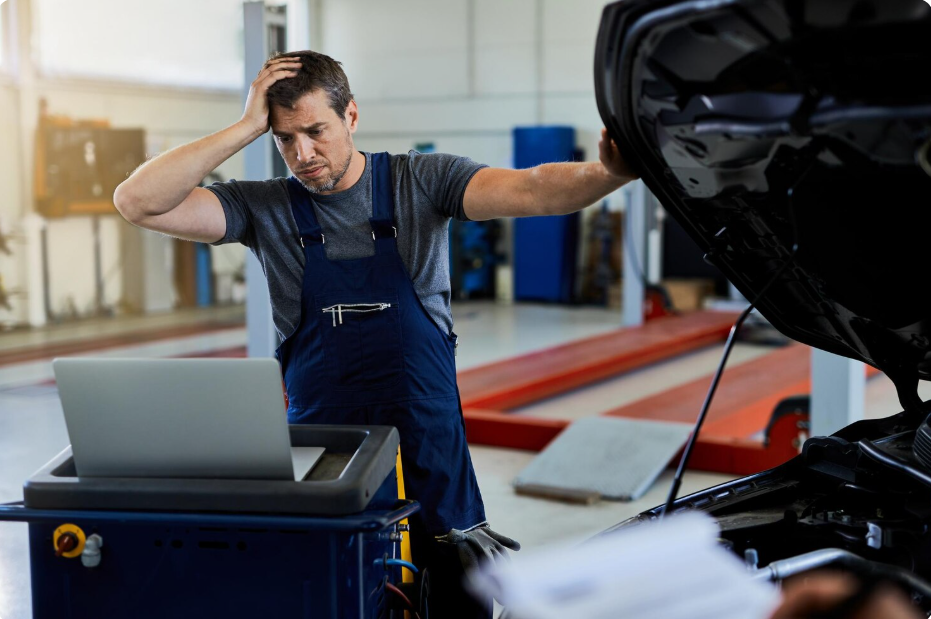
A mechanic’s daily responsibilities can vary depending on the shop, vehicle type, and area of specialization.
Typical responsibilities include:
- Inspecting vehicles
- Performing routine maintenance
- Replacing worn components
- Repairing brakes
- Servicing engines
- Checking suspension systems
- Performing tire-related services
- Repairing mechanical problems
- Testing vehicles after repairs
- Maintaining service records
Some mechanics specialize in particular areas, such as engines, transmissions, brakes, tires, diesel systems, or specific vehicle types.
The Indian Directorate General of Training, for example, describes automobile mechanics as professionals who inspect, dismantle, repair, overhaul, assemble, adjust, and test vehicle components and systems.
What Does an Automotive Technician Do?
Technicians can perform many of the same mechanical tasks while also handling more technology-focused diagnostic responsibilities.
Their work may include:
- Reading diagnostic trouble codes
- Analyzing sensor data
- Testing electrical circuits
- Diagnosing drivability problems
- Using manufacturer diagnostic equipment
- Identifying electronic faults
- Repairing mechanical systems
- Performing maintenance
- Programming or updating vehicle systems where applicable
Today’s vehicles rely heavily on electronics and computer-controlled systems, so diagnostic knowledge has become an increasingly important part of automotive service.
Why Are Technicians Becoming More Important?
Vehicles have changed dramatically over the past several decades.
A modern vehicle can contain numerous electronic control modules, sensors, driver-assistance systems, computerized engine controls, and sophisticated infotainment and safety technology.
That means a problem that appears mechanical may actually have an electrical or software-related cause.
For example, if a vehicle has a warning light, a technician may connect diagnostic equipment, review stored codes and live information, test related circuits, and investigate the underlying problem before deciding what repair is necessary.
This is one reason modern automotive training increasingly combines mechanical knowledge with electronics and diagnostic technology.
Similarities Between a Mechanic and Technician
Despite the differences, these careers have far more in common than many people realize.
Both may:
- Inspect vehicles
- Perform maintenance
- Diagnose problems
- Repair components
- Use specialized tools
- Follow safety procedures
- Work with customers or service advisors
- Test vehicles after repairs
- Maintain service documentation
Indeed notes that technicians and mechanics often work side by side and may perform many of the same maintenance and repair tasks.
The exact division of responsibilities depends heavily on the shop and the individual’s training.
Skills Needed for Each Career
Whether someone chooses the mechanic or technician career path, strong technical skills are essential.
Important Mechanic Skills
A mechanic should develop:
- Mechanical problem-solving
- Hand-tool skills
- Vehicle inspection skills
- Understanding of engines and drivetrains
- Attention to detail
- Physical coordination
- Safety awareness
- Repair and maintenance knowledge
Important Technician Skills
Technicians benefit from all of the above, along with:
- Computer literacy
- Diagnostic reasoning
- Electrical knowledge
- Sensor testing
- Electronic system knowledge
- Ability to interpret technical data
- Familiarity with scan tools
- Continuous learning
As automotive technology changes, technicians and mechanics both need to keep developing their skills.
Technician vs Mechanic: Which Career Is Better?
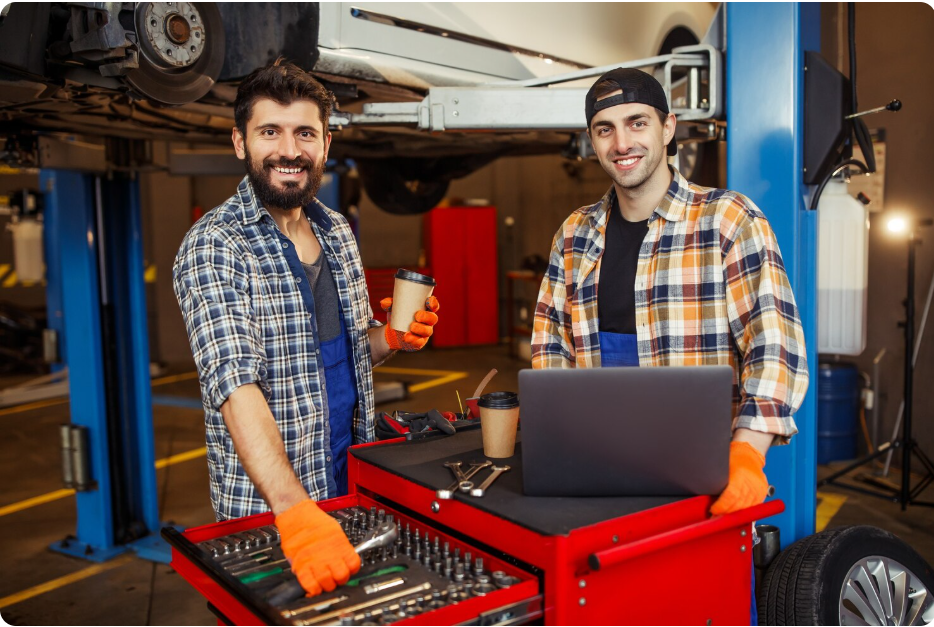
There isn’t one answer for everyone.
If you enjoy traditional hands-on mechanical work, repairing physical components, and working directly with engines and vehicle systems, a mechanic career may be a strong fit.
If you enjoy technology, electrical systems, computer diagnostics, and solving complex vehicle problems, automotive technician work may be particularly appealing.
However, the two career paths increasingly overlap.
A skilled modern automotive professional may need to be comfortable with both a wrench and a diagnostic computer.
Education and Training
Both mechanics and technicians generally need technical training and practical experience.
Training can come through:
- Automotive trade schools
- Community colleges
- Apprenticeships
- Manufacturer training programs
- Dealership training
- On-the-job experience
- Professional certification programs
The specific requirements vary by employer, location, specialty, and career level.
Some advanced technician positions may require additional manufacturer-specific training or professional certifications.
The automotive field also requires continuous learning because vehicle technology keeps changing.
Which One Should You Choose for Your Car?
For vehicle owners, the job title should not be the only factor when selecting a repair professional.
Instead, consider the problem your vehicle has.
For Basic Maintenance
A qualified mechanic or automotive technician can generally handle services such as:
- Oil changes
- Brake inspections
- Tire service
- Fluid checks
- Routine maintenance
- Basic component replacement
For Complex Electrical Problems
A technician with strong diagnostic and electrical experience may be a better choice.
Examples include:
- Check-engine warnings
- Sensor problems
- Electrical faults
- Computer-related issues
- Advanced driver-assistance system problems
- Intermittent electronic faults
For Major Mechanical Repairs
Look for a professional with demonstrated experience in the specific system involved, whether they use the title mechanic or technician.
Mechanic or Technician: What Matters Most?
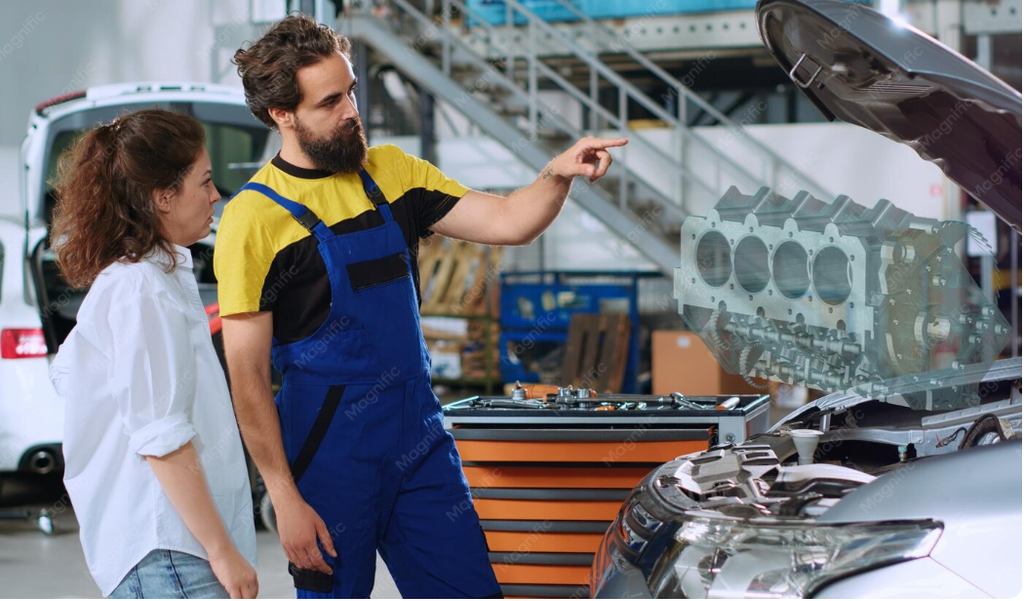
The title alone does not determine someone’s skill level.
An experienced mechanic may have excellent diagnostic abilities, while a technician may perform extensive hands-on mechanical repairs. In many workplaces, one person may effectively perform both roles.
Training, experience, specialization, diagnostic ability, equipment, and quality of workmanship are usually more meaningful factors than the job title itself. Industry sources also acknowledge that the terms are often interchangeable.
Common Misconceptions
“Technicians Only Use Computers”
Not true. Automotive technicians still perform substantial hands-on mechanical work.
“Mechanics Don’t Work With Technology”
Also incorrect. Modern mechanics often need diagnostic equipment and electronic knowledge to work effectively on newer vehicles.
“Technician Always Means More Skilled”
Not necessarily. Titles vary between employers and regions. Experience, training, certification, and specialization matter more.
“Mechanic and Technician Are Completely Different Jobs”
The distinction can be useful, but there is substantial overlap between the two roles.
Final Thoughts
The difference between a mechanic and an automotive technician is becoming less rigid as vehicles become more technologically advanced. Mechanics traditionally emphasize hands-on mechanical repair, while technicians often place greater emphasis on diagnostics, electronics, and computerized systems.
However, today’s best automotive professionals often combine both skill sets.
For vehicle owners, the smartest approach is to choose a qualified professional based on experience and expertise relevant to the specific problem. For people considering an automotive career, developing both mechanical and diagnostic skills can provide a strong foundation for working with today’s increasingly complex vehicles.
Frequently Asked Questions
1. Is a technician the same as a mechanic?
Not always, but the terms are frequently used interchangeably. Technicians often have a stronger emphasis on diagnostics and electronic systems, while mechanics may traditionally focus more on hands-on mechanical repair.
2. Do automotive technicians repair engines?
Yes. Automotive technicians can perform engine repairs and other mechanical work in addition to electronic diagnostics.
3. Is a mechanic less qualified than a technician?
Not necessarily. Job titles differ between employers, and experience and training are better indicators of ability than the title alone.
4. Which is better for electrical car problems: a mechanic or technician?
A technician with strong automotive electrical and diagnostic experience may be particularly suitable for complex electrical, sensor, or computerized-system problems.
5. Do modern mechanics need computer skills?
Yes. Modern vehicles use extensive electronics and computerized systems, so mechanics increasingly need diagnostic and technology skills as part of their work.