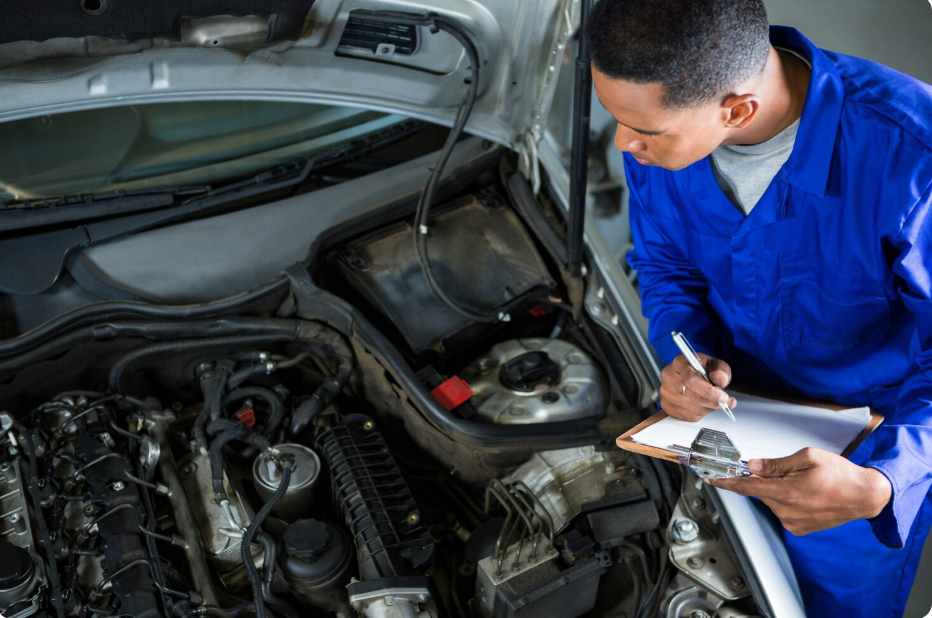
A mechanic is responsible for inspecting, maintaining, diagnosing, and repairing vehicles to keep them safe and reliable. Modern mechanics work with both traditional mechanical components and increasingly complex electrical and computer-controlled vehicle systems. Typical responsibilities include identifying problems, performing maintenance, replacing faulty parts, testing repairs, and maintaining service records.
A clear mechanic description duties section is useful for employers creating job postings and for candidates preparing resumes. Understanding the main responsibilities can also help people decide whether a mechanic career matches their skills and interests.
Main Mechanic Duties and Responsibilities
Mechanics perform a wide range of practical and technical tasks. Their responsibilities can differ depending on whether they work at a dealership, independent repair shop, fleet facility, or specialized workshop.
Common duties include:
- Inspecting vehicles for mechanical and electrical problems
- Diagnosing vehicle faults using appropriate tools and equipment
- Performing scheduled maintenance
- Repairing or replacing damaged and worn components
- Checking engines, brakes, steering, suspension, and transmission systems
- Performing oil, filter, and fluid changes
- Testing vehicles after completing repairs
- Maintaining accurate repair and service records
- Keeping tools and workshop equipment in good condition
- Following workplace health and safety procedures
- Communicating repair requirements with customers or service advisors
These responsibilities are commonly included in automotive mechanic job descriptions.
Vehicle Inspection and Diagnosis
One of the most important mechanic duties is finding the cause of a vehicle problem. A mechanic may begin by discussing the customer’s concerns and performing a visual or physical inspection.
Diagnostic equipment can then be used to identify faults in electronic and computerized systems. Mechanics may also test individual components to determine whether they are functioning correctly.
Accurate diagnosis is important because replacing the wrong component can increase repair costs and waste time.
Routine Maintenance Duties
Preventive maintenance helps vehicles remain reliable and can identify problems before they become more serious.
Typical maintenance tasks include:
- Changing engine oil
- Replacing filters
- Checking fluid levels
- Inspecting brakes
- Checking batteries
- Rotating or replacing tires
- Lubricating components
- Checking belts and hoses
- Inspecting suspension components
- Performing scheduled manufacturer maintenance
Routine servicing is a major part of many mechanic positions.
Repair and Replacement Duties

When a problem is identified, mechanics repair or replace faulty components. Depending on their specialization, they may work on engines, transmissions, brakes, suspension, steering, electrical systems, cooling systems, or other vehicle components.
A mechanic may need to:
- Identify the problem.
- Determine the required repair.
- Select the appropriate tools and replacement parts.
- Complete the repair.
- Test the repaired system.
- Document the work performed.
This process helps ensure the vehicle is returned to the customer in safe working condition.
Mechanic Duties and Skills Table
| Mechanic Duty | Skills Commonly Required |
|---|---|
| Vehicle inspection | Observation and technical knowledge |
| Fault diagnosis | Problem-solving and diagnostic skills |
| Routine maintenance | Practical mechanical skills |
| Parts replacement | Tool handling and precision |
| Electrical troubleshooting | Electrical and computer knowledge |
| Vehicle testing | Attention to detail |
| Customer communication | Communication and customer service |
| Service documentation | Organization and accuracy |
Diagnostic Tools and Technology
Today’s mechanics often use computerized diagnostic equipment in addition to traditional hand and power tools.
Modern vehicles contain electronic control units, sensors, cameras, and other technology. Mechanics therefore need to understand how mechanical and electronic systems work together.
Employers may look for candidates who are comfortable learning new diagnostic equipment and keeping their automotive knowledge current.
Customer Service Duties
Mechanic work is not limited to repairing vehicles. In many workplaces, mechanics also communicate with customers or service advisors.
Customer-related responsibilities can include:
- Listening to vehicle concerns
- Explaining diagnosed problems
- Discussing recommended repairs
- Providing information about maintenance
- Giving estimated repair timelines
- Answering technical questions
- Communicating additional repair requirements
Clear communication can help customers understand why a repair is necessary and what work has been completed.
Record Keeping and Workshop Duties

Accurate documentation is another important responsibility. Mechanics may record the work performed, parts used, vehicle condition, labor time, and maintenance recommendations.
They may also be responsible for maintaining their work area and ensuring that tools and equipment are clean, organized, and functional.
Good organization can help a workshop operate efficiently and reduce mistakes.
Safety Responsibilities
Vehicle repair involves tools, machinery, chemicals, electrical systems, lifting equipment, and moving vehicles. Mechanics must therefore follow appropriate workplace safety procedures.
Important safety practices include:
- Using protective equipment when required
- Operating lifts and tools correctly
- Following manufacturer repair procedures
- Keeping the work area organized
- Properly handling fluids and chemicals
- Using appropriate procedures for electrical and high-voltage systems
- Testing repairs carefully before vehicle handover
Mechanics working on hybrid or electric vehicles may require additional training for high-voltage systems.
Qualifications for a Mechanic
Requirements vary depending on the employer and type of mechanic position. Entry-level candidates may enter the field through vocational education, technical training, apprenticeships, or hands-on experience.
Useful qualifications and knowledge may include:
- Automotive repair training
- Mechanical fundamentals
- Electrical system knowledge
- Diagnostic equipment experience
- Manufacturer-specific training
- Practical workshop experience
- Safety training
Continued learning is increasingly valuable because automotive technology changes over time.
Important Qualities of a Good Mechanic
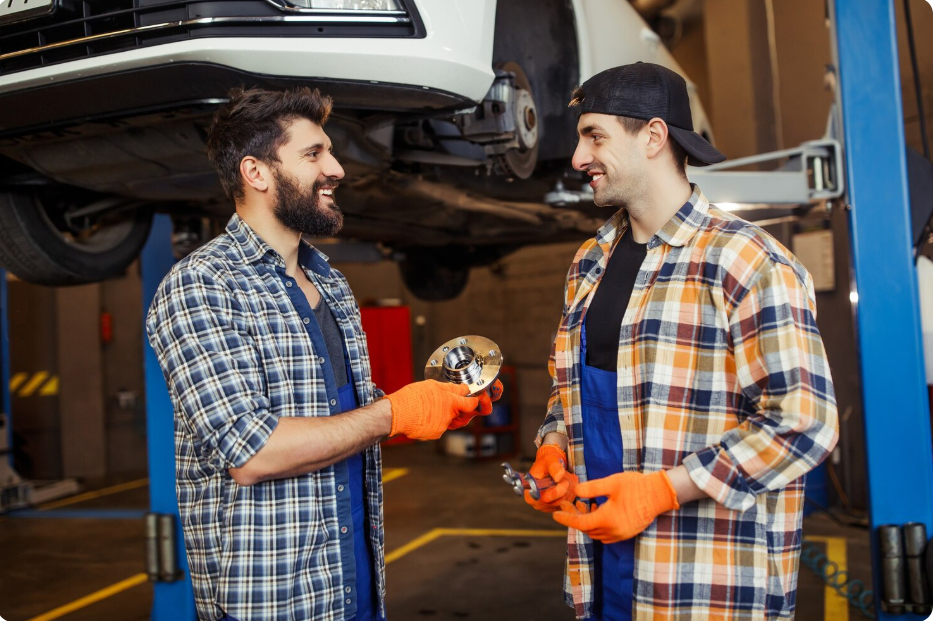
Technical knowledge alone does not guarantee success. A strong mechanic should also have good practical and personal qualities.
Key Qualities
- Strong problem-solving ability
- Attention to detail
- Good hand-eye coordination
- Mechanical interest
- Reliability
- Time management
- Communication skills
- Teamwork
- Patience
- Willingness to learn
These qualities can help mechanics diagnose problems accurately and complete repairs efficiently.
Mechanic Career Opportunities
Mechanics can specialize in different areas depending on their interests and training. Common career paths include automotive mechanic, diesel mechanic, motorcycle mechanic, fleet mechanic, heavy-equipment mechanic, and specialized service technician.
With additional experience, a mechanic may progress into positions such as senior technician, diagnostic specialist, workshop supervisor, service advisor, or service manager.
Final Thoughts
Understanding mechanic description duties is important for both employers and job seekers. A mechanic’s work involves much more than simply repairing engines. Modern mechanics inspect vehicles, diagnose mechanical and electrical faults, perform preventive maintenance, replace components, use diagnostic technology, communicate repair requirements, document completed work, and follow safety procedures.
For anyone considering a career in automotive service, developing both technical expertise and strong problem-solving and communication skills can create a solid foundation for long-term professional growth.
Frequently Asked Questions
1. What are the main duties of a mechanic?
The main duties include inspecting vehicles, diagnosing problems, performing maintenance, repairing or replacing components, testing vehicles, documenting repairs, and following safety procedures.
2. What skills does a mechanic need?
A mechanic typically needs mechanical knowledge, diagnostic skills, problem-solving ability, attention to detail, tool-handling skills, communication, and a willingness to learn new automotive technology.
3. Do mechanics perform routine maintenance?
Yes. Routine maintenance can include oil and filter changes, fluid checks, tire services, brake inspections, battery checks, and other scheduled maintenance.
4. Do mechanics use computer diagnostic equipment?
Yes. Modern vehicles contain electronic and computer-controlled systems, so mechanics commonly use diagnostic equipment to identify certain mechanical and electrical problems.
5. Can a mechanic advance to a higher position?
Yes. With experience and additional training, mechanics can move into senior technician, diagnostic specialist, workshop supervisor, service advisor, or service management positions.